Complimentary insured UK delivery
Jewel of London

Metals and care

What Is Rhodium Plating, and Why Is It Used on White Gold?

Understand rhodium plating on white gold, how wear affects its finish and what to ask before arranging replating.
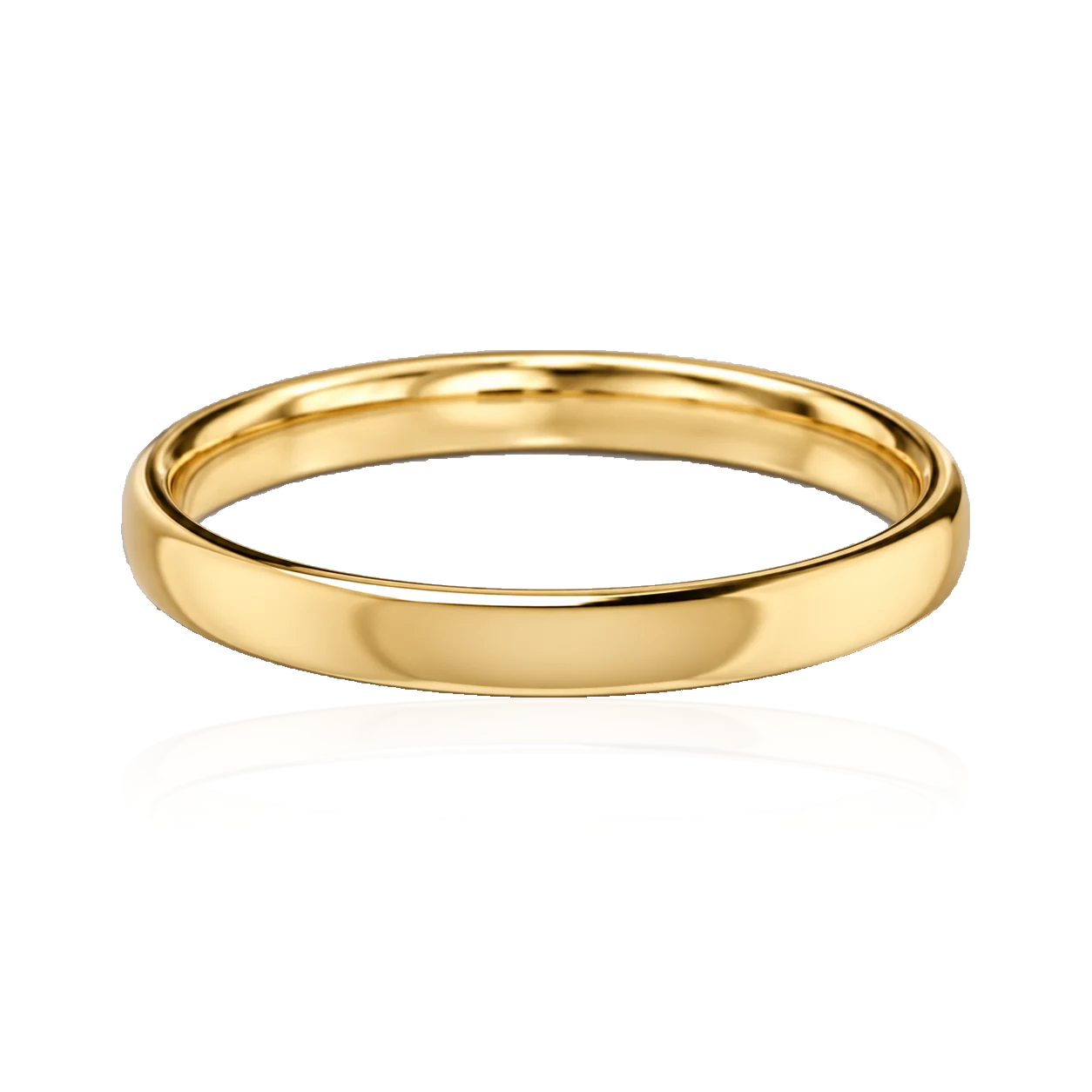
Plain court wedding band shown in yellow gold

Rhodium plating is a thin surface finish used on many white-gold jewellery pieces to create a bright white appearance. It sits over the underlying alloy rather than changing that alloy into a different metal.

Understanding the finish helps explain why a ring may look different after wear and why maintenance should be based on its actual condition.

What rhodium plating does

White-gold alloys vary in their underlying tone. A rhodium finish creates a bright surface that can make different alloys look more similar when new.

GIA's white-metal guide explains the common use of rhodium on white gold. Not every white-gold item must be plated, so check the specification of the piece you are buying.

The finish does not replace the need to identify the base metal and fineness correctly.

Why the appearance changes

Plating can wear through ordinary contact, especially on frequently used areas. The underlying white-gold tone may become more visible as a result.

That change does not mean the piece has turned into a different alloy. It means the surface finish has changed. The pattern and speed of wear depend on the item, its use and the original finish.

Compare the current condition with photographs or records if helpful, but have a jeweller assess any uncertain change.

Avoid a fixed replating timetable

A ring worn daily may experience different wear from occasional earrings or a pendant. Hand activities and contact points also vary.

Replating every fixed number of months is therefore not a universal requirement. Ask whether the current finish needs attention and what the proposed service includes.

Do not treat repeated polishing as a harmless automatic step. Discuss how the jeweller will prepare and inspect the piece before any refinishing.

Understand what replating cannot repair

A surface finish cannot restore a worn claw, close an unsafe setting or correct a bent band. Structural issues should be assessed separately.

If a stone moves or a claw catches, stop wearing the piece and arrange inspection. Replating may be part of later finishing, but it is not the solution to the underlying problem.

Care for the whole item

Use cleaning appropriate to the stones, treatments and construction as well as the metal. Avoid abrasive products and harsh household chemicals.

A plated item with pearls or other sensitive gems requires a different approach from a sound, untreated diamond ring. Ask for advice specific to the piece rather than applying one cleaning recipe to everything.

The jewellery-care guide provides the general framework.

Common questions

Is rhodium plating the same as white gold?

No. White gold is the underlying gold alloy; rhodium is a surface finish where applied.

Does platinum require the same finish?

Platinum is naturally white. Confirm any special finish on a particular item rather than assuming it follows white-gold maintenance.

What should I ask before buying?

Ask whether rhodium plating is present, what alloy is underneath and what aftercare is available. Use the contact page to clarify the selected Jewel piece.
Related reading

Metals and care

Choosing a Gold Colour: Yellow, White or Rose?

Get help choosing a gold colour by comparing yellow, white and rose gold, with checks on finish, alloy and maintenance.

Plain court wedding band shown in yellow gold

Choosing a gold colour is easier when you compare real examples beside jewellery you already wear. Yellow, white and rose gold can give the same design a different mood. Your preferences and maintenance expectations matter more than a rule about skin tone.

There is no rule that assigns one colour to a particular person. Begin with the tones you enjoy and compare actual examples in ordinary light.

Make choosing a gold colour a like-for-like comparison

Gold jewellery is commonly made from alloys. The other metals in the mixture influence its colour and working properties. White gold is often rhodium plated, while yellow and rose alloys create different warm tones.

GIA's guide to gold colours explains the role of alloying. Ask about the actual fineness and finish, because a colour name alone is not a complete material specification.

Two rose-gold pieces, for example, may not have exactly the same shade.

Use your existing jewellery as a reference

Look at what you wear frequently rather than what appears most fashionable in a product photograph. A new piece can match that palette or introduce a deliberate contrast.

If you mix colours already, consider how the new ring, pendant or earrings will sit within that combination. Matching every item is optional.

Try comparisons against your skin and usual clothing. Online lighting and screen settings can make metal colours difficult to judge accurately.

Consider the diamond and setting together

A white metal creates a different surrounding colour from yellow or rose gold. That changes the overall presentation, but does not alter the diamond's laboratory grade.

A design may also use contrasting metal in the head and band. Check the specification rather than assuming the whole ring is one colour because the shank is.

View the setting at normal scale. The amount of visible metal can be as influential as the colour itself.

Think about maintenance

Rhodium-plated white gold may need attention as the finish wears. Yellow and rose gold can also show scratches and require suitable care.

The condition and wear pattern of the actual piece should guide maintenance. There is no universal timetable that every owner must follow.

Read the care guide and ask about any finish-specific requirements.

Check neighbouring rings

If the piece will sit beside an existing ring, compare both profile and colour. Mixed metals can be a deliberate style choice, but potential contact and surface wear still need consideration.

An exact shade match may be difficult across different alloys or finishes. Decide whether you want a close match or a clear contrast instead of assuming all pieces labelled “yellow gold” are identical.

A practical comparison

Start with the same design in each available colour. Compare under neutral daylight and ordinary indoor lighting, then look alongside your watch or everyday rings. Check the fineness and whether the white-gold example is rhodium plated, because these details affect what you are seeing. If you prefer mixing metals, try the actual combination. A matching wedding set is one option, but consistent proportions can also make different colours feel considered.

Common questions

Do I have to choose by skin tone?

No. Personal preference and the jewellery you enjoy wearing are more useful than a rigid styling rule.

Is one colour automatically more durable?

Colour alone does not determine durability. Alloy, construction and care matter.

What should I record before ordering?

Confirm yellow, white or rose gold, the fineness, any plating and the metal used in each part of the design. Explore Jewel's collections with that full specification in mind.

Related reading

Metals and care

9ct vs 18ct Gold: Understanding Purity, Colour and Wear

Compare 9ct vs 18ct gold by gold content, alloy, colour and care, and learn why purity alone does not determine durability.

Plain yellow gold court wedding band

9ct vs 18ct gold describes a difference in gold content. Nine-carat gold contains 9 parts gold out of 24, while eighteen-carat gold contains 18 parts out of 24. The remaining content consists of other metals.

That difference influences the material, but it does not create a complete ranking of every finished piece. Alloy composition, design and workmanship also matter.

9ct vs 18ct gold in numbers

Nine-carat gold contains 37.5% gold and corresponds to a fineness of 375 parts per thousand. Eighteen-carat gold contains 75% gold and corresponds to 750 parts per thousand.

Those numbers may appear within a hallmark. A number alone should not be confused with the complete set of recognised marks. The London Assay Office's hallmark guide explains the surrounding system.

Gold carat fineness is separate from a diamond's carat weight. An 18ct ring can hold a diamond of any specified weight.

Compare the actual colour

Gold alloys can be yellow, white or rose. The other metals in the mixture influence colour, so two items of the same fineness do not necessarily look identical.

For yellow gold, an 18ct alloy may have a richer appearance than a lower-fineness comparison, but view the actual pieces. White gold may also be rhodium plated, making the finish relevant to the initial colour you see.

Photographic lighting can hide these differences. A neutral comparison is more useful than separate product images.

Avoid a simple hardness rule

It is common to hear that one gold fineness is always harder or more durable. That is too broad. Different alloys and manufacturing processes produce different properties.

A well-proportioned ring and a very thin ring can behave differently even in the same metal. Stone settings, band depth and wear conditions all affect the finished piece.

Ask whether the chosen construction suits the intended use rather than selecting solely from the carat label.

Consider weight, price and design together

More gold content is one part of pricing, but it does not determine the entire cost. Metal weight, finishing, stones and manufacturing also contribute.

Compare current quotes for the same design and size. Check whether both options use the same dimensions. A similar photograph does not guarantee the same amount of metal.

Choose according to your preferred colour, specification and complete budget.

Plan care for the finished piece

Both options need protection from heavy pressure, harsh chemicals and avoidable impact. Diamond-set pieces also need their settings inspected.

If the ring is plated or has a special finish, ask how it should be maintained. Avoid assuming a change of fineness removes the need for aftercare.

See the jewellery-care guide and confirm advice for the selected design.

Common questions

Is 9ct gold real gold?

It is a gold alloy containing 37.5% gold. Its fineness should be described accurately.

Is 18ct automatically stronger?

No. Fineness alone does not establish the finished piece's strength.

How should I choose?

Compare 9ct vs 18ct gold through actual colour, construction and price. Check which options are available in the chosen collection rather than assuming every design comes in both.

Related reading

Metals and care

Platinum vs White Gold: Colour, Weight and Maintenance

Compare platinum vs white gold for natural colour, rhodium plating, weight and surface wear before choosing your jewellery.

Plain court wedding band shown in yellow gold

Platinum vs white gold is a comparison between two different precious-metal options that can create a similar white appearance. Their composition, weight and surface maintenance differ, so the choice should involve more than looking at a photograph.

Compare actual pieces with similar dimensions. That makes it easier to judge the colour, feel and profile without confusing the metal with a different design.

Platinum vs white gold: understand the material

White gold is a gold alloy made with other metals to produce its colour and working properties. It is often finished with rhodium plating. Platinum jewellery uses a platinum alloy and is naturally white.

GIA's white-metal guide explains these distinctions. Check the stated fineness and finish for the actual piece rather than assuming every white-gold item uses the same alloy or plating.

A hallmark and clear specification help identify what you are buying.

Compare the feel at similar dimensions

Platinum commonly feels heavier than gold alloys in a comparable design. However, two rings that look similar may have different widths, depths or hollow sections.

Ask for the complete dimensions and weight where available. Decide whether you enjoy a more substantial feel or prefer something lighter. Neither preference is a measure of how meaningful or suitable the ring is.

Understand surface wear

Both metals can show marks through use. Platinum may develop a softer surface appearance often called patina. Rhodium-plated white gold may reveal more of its underlying alloy colour as the finish wears.

Wear varies with the design and how the piece is used. There is no universal replating schedule suitable for every person or item.

Discuss maintenance based on the actual condition. Repeated polishing should be considered carefully rather than treated as an automatic routine after every small mark.

Ask about the alloy if composition matters

White gold and platinum are not each a single identical recipe. If you need to know which alloying metals are present, ask for that information for the selected piece.

Do not rely on broad claims that one category is suitable for every wearer. A clear description of the actual material is more useful than a blanket promise.

Compare the complete purchase price

Metal prices and manufacturing costs change. Obtain current quotations for the same design, size and stone specification.

A platinum option is not automatically more or less expensive in every comparison. Look at the amount payable and the included services, then decide how colour, feel and maintenance fit your preferences.

Explore Jewel's jewellery collection and confirm the available metals for the chosen design.

Common questions

Does platinum need rhodium plating to stay white?

Platinum is naturally white. Any special finish on a particular item should still be confirmed.

Will white gold become yellow gold?

The underlying alloy remains white gold, although its tone may differ from fresh rhodium plating.

Which should I choose?

Use the platinum vs white gold comparison to balance the actual colour, weight, finish and maintenance you prefer. The metal guide provides the wider context.

Related reading

Earrings and jewellery

How to Choose an Anniversary Jewellery Gift They Will Wear

Choose an anniversary jewellery gift around the wearer's style, size and routine, with ideas for meaningful details.

Round diamond stud earrings in yellow gold

An anniversary jewellery gift is most successful when it reflects the recipient's habits and preferences. A meaningful piece does not need to be the largest or most elaborate option. It needs to feel like something they would choose and enjoy.

Begin with the jewellery already in regular use. That offers practical clues about metal, scale and the kinds of fittings they find comfortable.

Choose an anniversary jewellery gift from real preferences

Notice whether they wear yellow, white or mixed metals. Look at the size of their favourite earrings and the length of necklaces they reach for most often.

Do they enjoy one familiar ring, or do they change pieces frequently? A gift can complement that pattern without copying an existing piece exactly.

GIA's jewellery-buying tips encourage understanding the purchase and its materials. Add personal observation to that technical checklist.

Select the type of jewellery carefully

A ring needs accurate sizing and a clear idea of how it will be worn. An eternity band may be meaningful, but its width and settings need to work with any existing stack.

Earrings require a suitable style and fastening. A pendant needs a chain length that suits the recipient, while a bracelet needs a comfortable finished fit.

Choose the category you can specify confidently rather than assuming a particular anniversary demands a particular object.

Set a complete budget

Compare the finished piece, including any chain, pair of earrings, engraving or confirmed delivery charges. A pendant-only price and a necklace price are not equivalent.

A simple design in the preferred metal may be more successful than a larger piece with an unfamiliar style. Use the budget to support the recipient's preferences rather than create a size target.

Explore Jewel's gift selection and compare the actual included components.

Add meaning without overcomplicating the design

A birthstone, an initial or a short engraving can connect the gift to a personal occasion. Confirm that the material and design suit the intended wear.

For engraving, check spelling, punctuation and any date carefully. Ask about available space, the final appearance and whether the choice affects alteration or returns terms.

A personal message can also accompany an unengraved piece. Meaning does not have to be permanent on the metal to feel considered.

Plan timing and presentation

If the anniversary date is fixed, obtain a confirmed delivery estimate early. Allow time to inspect the piece and resolve any questions.

Keep the specification and documents organised. If you want the gift to remain a surprise, discreetly confirm sizes or discuss an appropriate alternative before placing the order.

Review the current delivery and returns information for the exact purchase.

Common questions

Must I follow traditional anniversary materials?

No. Traditions can inspire a gift, but the recipient's preferences should lead.

Is an eternity ring the only suitable anniversary ring?

No. Many designs can carry that meaning. Choose the intended role and fit.

What makes a gift feel personal?

An anniversary jewellery gift feels personal when its scale, metal, practicality and meaning reflect the person receiving it. A carefully chosen wearable piece can say more than a generic grand gesture.

Related reading

Earrings and jewellery

How Should a Tennis Bracelet Fit? Measuring Your Wrist

Find a comfortable tennis bracelet fit by measuring your wrist and checking finished length, movement and clasp position.

Round diamond tennis bracelet in yellow gold

Tennis bracelet fit should allow comfortable movement without excessive looseness. The right length depends on wrist shape, bracelet profile and personal preference, so a universal allowance is not a reliable substitute for trying the piece.

Start with an accurate wrist measurement, then discuss the finished bracelet length and how it is intended to sit.

Measure the wrist before judging tennis bracelet fit

Use a soft tape around the area where the bracelet will rest. Keep it snug enough to record the wrist circumference without pulling it tight.

If using non-stretch string, mark the meeting point and measure it flat with a ruler. Repeat the measurement to check consistency.

Tiffany's bracelet sizing guidance also distinguishes wrist measurement from selecting a finished size. Do not transfer another brand's size label directly without checking the actual length.

Allow for the bracelet's construction

A flexible line bracelet behaves differently from a rigid bangle. Link thickness and the shape of the settings influence how it follows the wrist.

The finished length may also be measured differently from a simple inside circumference. Ask how the seller measures it, including the clasp.

A measurement is a starting point for fitting, rather than a guarantee that every bracelet of that stated length will feel identical.

Assess ordinary movement

With the bracelet correctly fastened, move your wrist naturally. It should not create uncomfortable pressure, and it should not have so much excess movement that it readily catches or slides into an unwanted position.

Consider how it sits when your arm is raised and lowered. Avoid judging only a posed photograph with the bracelet carefully arranged.

The familiar “one finger” suggestion is a rough check, not a universal rule. Finger size, bracelet profile and preference vary.

Check the clasp position and handling

Make sure the clasp is fully closed and any intended safety catch is engaged. Ask for a demonstration if needed.

An awkward fastening or unreliable catch is not a sizing issue to work around. Have it assessed before wearing the bracelet.

If you plan to wear it beside a watch or another bracelet, consider contact and movement between the pieces as well.

Ask about alterations before buying

Some tennis bracelets can be shortened, but the design and clasp arrangement determine the options. Removing settings can change the total diamond weight and pattern.

Obtain a specific quote and confirm the resulting length and specification. Do not assume links can simply be added back later or that every size adjustment is included.

For a gift, read the current returns terms and confirm whether an alteration affects the applicable options.

Common questions

Should I add a fixed amount to my wrist measurement?

No single allowance suits every design. Give the wrist measurement to the seller and assess the recommended finished fit.

Is a very loose bracelet more comfortable?

Not necessarily. Excess movement can increase catching and make the piece sit unpredictably.

What should I check in the product listing?

For a suitable tennis bracelet fit, confirm the actual finished length, profile and alteration options. Browse Jewel's bracelets with those details alongside the appearance.

Related reading

Earrings and jewellery

Diamond Tennis Bracelet Buying Guide: Settings, Clasps and Flexibility

Choose a diamond tennis bracelet by comparing length, stone matching, flexibility, clasp security and total carat weight.

Round diamond tennis bracelet in yellow gold

A diamond tennis bracelet links a sequence of stone settings into a flexible line. Its appeal comes from the continuity of the diamonds, but a good purchase decision also considers fit, articulation and the fastening.

Start with the length and visible width you want. Then compare how the complete bracelet moves and closes, rather than judging only its total carat weight.

Compare a diamond tennis bracelet as a complete line

Look for a consistent appearance along the bracelet. Stones should work together in dimensions, colour appearance and general visual character.

Ask how the stated grades describe the group and what documentation applies. Do not assume every small diamond has an individual report or that one report describes every component.

GIA's tennis-bracelet guide discusses the combination of stones and construction. The finished piece matters more than one isolated headline number.

Understand total weight and individual size

Two bracelets with the same total weight can use different stone counts or lengths. A longer bracelet may distribute that total across more settings, changing the individual diamond size.

Record total weight, length and overall width. Ask for stone count or approximate individual dimensions where available.

These details make comparison clearer than assuming that a higher total always produces the look you prefer.

Check flexibility and setting profile

The links should articulate as intended without being forced. A bracelet's drape depends on its construction, and a still photograph cannot fully demonstrate it.

Look at the underside and edges as well as the top. Consider how the settings feel against the wrist and whether the profile suits everyday movement.

Do not bend a bracelet sharply to test it. Ask the jeweller to demonstrate its normal flexibility.

Understand the clasp and any safety catch

Identify the primary clasp and learn how to close it correctly. If a secondary catch is present, understand its role and confirm that it operates properly.

No clasp removes the need for inspection. Stop wearing the bracelet if it opens unexpectedly, feels loose or has a damaged fitting.

Ask about maintenance and the appropriate response after a strong impact or snag.

Choose a comfortable length

The bracelet should have suitable movement without being tight or so loose that it readily catches. The ideal amount of ease depends on its profile, wrist shape and personal preference.

Use the bracelet-fit guide to measure the wrist and discuss the finished length. Do not assume every standard size will suit every wearer.

Compare the full purchase

Confirm origin, metal fineness, selected length, total diamond weight and included documentation. Check whether a length alteration changes the weight or price.

Explore Jewel's bracelets and compare the exact configurations.

Common questions

Is a tennis bracelet suitable for playing tennis?

The name is not a promise of suitability for sport. Remove fine jewellery for activities involving impact, pressure or snagging.

Does a safety catch guarantee against loss?

No. Correct use, condition and inspection still matter.

What should I prioritise?

Choose a diamond tennis bracelet whose fit, consistent appearance, flexibility and fastening all meet your needs, rather than choosing by total weight alone.

Related reading

Earrings and jewellery

Pendant Chain Types: Trace, Curb and Spiga Compared

Compare pendant chain types, including trace, curb and spiga, by width, construction, bail clearance and clasp.

Round diamond pendant on a yellow gold chain

Pendant chain types differ in link shape, texture and flexibility. A chain should complement the pendant visually while providing suitable support through its links, clasp and end fittings.

Style names are a starting point. The actual width, construction and condition determine whether a particular chain is appropriate for a particular pendant.

Compare pendant chain types by their link pattern

A trace chain uses a repeating linked pattern with a relatively clear, open appearance. A curb chain has shaped links that lie in a flatter arrangement. Spiga, also called wheat chain, has a closely interwoven appearance.

Cooksongold's chain guide explains common chain terminology. Manufacturers may offer variations within each family, so compare the actual item.

Choose whether you want the chain to remain visually quiet or contribute more texture to the necklace.

Check width and construction

Two chains sharing a style name can have very different dimensions and strength. Solid and hollow constructions also need different consideration.

Ask for the chain's width and whether its construction is suitable for the intended pendant. Do not assume a visually substantial hollow chain behaves like a solid chain of the same outside dimensions.

The pendant's weight matters, but the clasp and connecting fittings must also be appropriate.

Make sure it passes through the bail

Measure the pendant's opening or have the jeweller check the pairing. The end fitting or clasp may be wider than the chain itself.

Do not force a chain through a narrow bail. Friction and repeated movement at an unsuitable connection can affect wear.

If the pendant has a concealed passage, its shape may place additional restrictions on chain style and flexibility.

Understand “diamond-cut” chain descriptions

Diamond-cut describes a finishing technique that creates reflective surfaces on the metal. It does not mean the chain contains diamonds.

The effect can add sparkle and texture beside a plain or diamond pendant. Compare it with a smoother finish at normal scale, because highly enlarged photographs can exaggerate the surface pattern.

Confirm the underlying metal and fineness separately from the finishing description.

Choose length and clasp together

Length determines where the pendant sits, while the clasp affects handling and security. Ask whether the stated length includes an extender and how the chain is measured.

Try the fastening if possible. A small clasp may look discreet but be less convenient for some wearers. A larger clasp must still suit the pendant's bail and the necklace's balance.

See the necklace-length guide before selecting the final option.

Common questions

Is one chain style always strongest?

No. Link dimensions, construction and workmanship matter more than the name alone.

Can I mix metal colours?

That can be a deliberate design choice, but check physical compatibility and possible wear at contact points.

What should I confirm?

When comparing pendant chain types, confirm metal, width, length, construction and compatibility with the actual pendant. Check the included chain specification in Jewel's pendant collection.

Related reading

Earrings and jewellery

Necklace Length Guide: Where Different Chains Sit

Use our necklace length guide to compare inches and centimetres and check pendant drop, neckline and layering.

Round diamond pendant on a yellow gold chain

This necklace length guide helps you compare measurements before choosing a chain. A stated length is useful, but it does not guarantee the same position on every person.

Neck size, body proportions, posture and the pendant's drop all influence where the finished piece rests. Measuring your preferred position is more reliable than relying on a universal label such as “collarbone length”.

Necklace length guide: common conversions

One inch equals 2.54 cm. The examples below are rounded to one decimal place.

Length in inches Approximate length in centimetres
16 inches 40.6 cm
18 inches 45.7 cm
20 inches 50.8 cm
22 inches 55.9 cm
24 inches 61.0 cm

These conversions describe length, not guaranteed fit or current product availability.

Test the position before ordering

Use a soft measuring tape, or a non-stretch piece of string that you can measure afterwards. Arrange it where you want the chain to sit without pulling it tight.

Check the position in a mirror while standing naturally. Try it with the necklines you commonly wear. A length that works with an open collar may meet a higher neckline awkwardly.

For comparison, Tiffany's necklace sizing guidance also recommends testing a measured length. Use your own fit rather than transferring another person's photograph directly.

Account for the pendant

The chain measurement does not always describe the lowest point of the necklace. A pendant hanging from a bail adds a drop below the chain's resting line.

A fixed-centre design may be measured differently from a loose pendant on a separate chain. Check how the seller defines the stated length and whether an extender is included.

Ask for pendant dimensions as well as chain length. A small difference in drop can affect the relationship with a neckline.

Consider movement and comfort

A necklace should feel comfortable through normal head and shoulder movement. A short chain that looks neat while standing still may feel different when sitting or bending.

Do not choose a tight fit merely to keep a pendant perfectly centred. The chain, suspension and pendant balance all affect movement.

If a length is unfamiliar, compare it with an existing comfortable necklace before ordering.

Plan layers with space between them

When wearing several necklaces, different lengths can create separation, but tangling still depends on the chains, pendants and movement.

Try the intended combination rather than assuming a fixed length gap will prevent tangles. Consider whether the lowest pendant catches another chain or whether the clasps gather together.

Store layered pieces separately when they are not being worn.

Common questions

Does an 18-inch chain sit at the same place on everyone?

No. Body proportions and pendant design affect the final position.

Does the stated length include the clasp?

Usually the finished measurement is intended to describe the complete chain, but confirm the product's measuring convention.

How do I choose confidently?

Use this necklace length guide to compare measurements, then test the intended position yourself. Check the chain options supplied with Jewel's pendants before ordering.

Related reading

Earrings and jewellery

How to Choose a Diamond Pendant: Shape, Size and Setting

Choose a diamond pendant by comparing shape, measurements, setting and chain compatibility, plus what the price includes.

Round diamond pendant on a yellow gold chain

A diamond pendant brings together a stone, a setting and a chain. The centre may attract attention first, but the way those parts work together determines how the piece sits and moves when worn.

Start with the appearance you want at the neckline, then compare the complete specification rather than the diamond weight alone.

Choose a diamond pendant shape you enjoy

Round, oval, pear and rectangular shapes create different lines. A longer outline may sit differently against clothing from a circular one, while orientation can change the design again.

GIA's shape guidance provides context for comparing silhouettes. Use it as a starting point, then look at the actual pendant at realistic scale.

Consider the jewellery already worn nearby. Matching shapes are optional; a clear relationship in scale or metal may be enough.

Compare measurements and weight

Carat tells you the diamond's weight, not the pendant's finished dimensions. Ask for both the stone measurements and the overall setting size.

For a halo or multi-stone pendant, clarify centre weight and total weight. A broad diamond border can create a different footprint from one larger solitaire.

A close-up photograph should not be your only size reference. Compare a measured outline with a pendant you already own if possible.

Inspect the setting and suspension

Look at how the pendant connects to the chain. A separate bail, a concealed passage and fixed side connections can produce different movement and balance.

Review the back and side. Check setting depth, the arrangement of claws or bezel, and whether the piece appears designed to sit comfortably against the body.

No design can promise never to turn during movement. Ask how the particular setting is intended to hang and which chain suits it.

Check whether a chain is included

Some prices cover the pendant only; others include a specified chain. Confirm the chain's metal, fineness, length, width and clasp.

If using an existing chain, check that it can pass through the bail and that the chain and its fittings are appropriate for the pendant's weight. The clasp or end fitting may be wider than the chain itself.

The necklace-length guide can help you decide where you want the piece to sit.

Read the stone specification

Confirm diamond origin, weight and any stated quality details. Ask what report or other documentation accompanies the selected option.

A product render can illustrate shape and metal without showing the individual diamond. Keep that distinction in mind when assessing colour, clarity and appearance.

Common questions

Is a larger diamond always the better pendant?

No. Scale, chain length and setting can matter more to the look you want.

Can I wear it on any chain?

Only after checking compatibility, construction and weight suitability. A matching colour alone is not enough.

What should I confirm before ordering?

For a diamond pendant, record the stone and setting dimensions, chain inclusion and complete price. Explore Jewel's pendants with the full necklace in mind.

Related reading

Your bag

Enjoy 10% off
Join our newsletter and enjoy 10% off full-price jewellery.
    Get my 10% code
    Email me new collections and offers.
    Unsubscribe anytime. Privacy
    No thanks, I’ll keep browsing