
Diamond education
Lab-Grown Diamond Authenticity: What Buyers Can Check
Check lab-grown diamond authenticity through origin disclosure, matching documentation and professional identification.
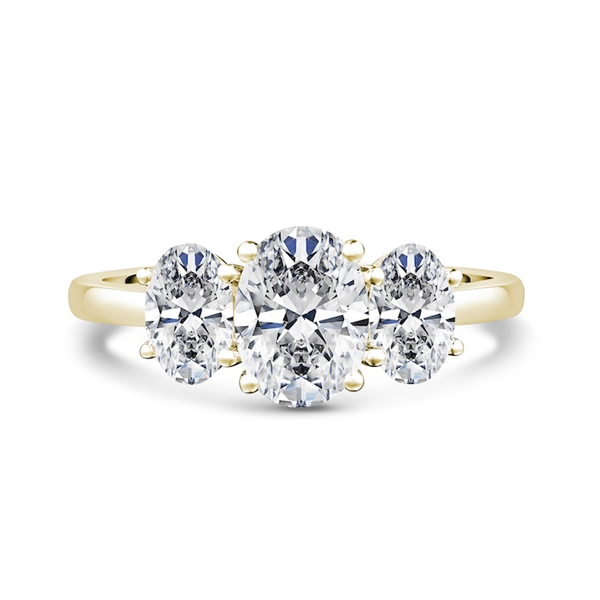
Lab-grown diamond authenticity is about confirming both the material and its stated origin. A beautiful photograph cannot establish either. The useful checks connect the seller’s description, the stone’s documentation and the diamond supplied.
The confusion usually comes from using “real” to answer two questions: what a material is, and whether it formed naturally. Keep those questions separate.
Start lab-grown diamond authenticity checks with the description
A laboratory-grown diamond has the diamond crystal structure and essentially the same core properties as natural diamond. Its growth environment can leave characteristics that specialists use to determine origin.
Commercial growth commonly uses high-pressure, high-temperature methods or chemical vapour deposition. Those names describe production methods, not a ranking of beauty. Assess a finished diamond as an individual stone.
GIA's overview of HPHT and CVD growth explains the technical distinction. Buyers need clear disclosure of origin, even if they do not memorise the machinery.
Are lab-grown diamonds real if they have inclusions?
Yes. An inclusion does not stop a diamond being diamond. Laboratory-grown stones can have internal characteristics, colour variation and differences in finishing. They are not automatically flawless because they were produced in controlled conditions.
The useful question is whether a particular stone has the quality and appearance you want. Review dimensions, documentation and actual-stone imagery where available. A render of the ring cannot establish the selected diamond's clarity.
How do they differ from moissanite?
Moissanite is a different material. It can resemble diamond, but its optical and physical properties differ. Cubic zirconia is another separate material used as an imitation.
Descriptions such as “diamond alternative” do not tell you which material is being sold. Look for an explicit name. If a listing only describes sparkle or appearance, ask for the material and origin in writing.
The GIA guide to simulants explains the distinction. A purchase should never depend on ambiguous terminology.
Will the diamond change because it was lab-grown?
Laboratory origin does not mean a diamond will turn into another material during ordinary wear. However, a diamond can still chip or sustain damage, and its setting can wear. Surface residue can also make jewellery look dull.
Care should suit the entire piece, including treatments, accompanying stones and metal. Follow the jewellery-care guidance and seek inspection if a stone moves or a claw catches. Avoid destructive home tests intended to prove authenticity.
What should the documents say?
The order description should identify the centre as lab-grown. If an individual report is supplied, it should correspond to the diamond and be verifiable with the issuing laboratory.
Not every small accent diamond comes with a separate report. Ask how the documentation relates to the centre, side stones or finished piece. A hallmark concerns precious metal; it does not replace diamond documentation.
A practical comparison
Keep a simple record of the stated origin, laboratory name, report number and measurements. Ask how the supplied stone is matched to that record. Where a report lists a laser inscription, a jeweller may be able to inspect it with suitable equipment. An inscription is one part of the identification process, so do not treat a photograph of a number as a complete authenticity test. If records conflict, resolve the mismatch before purchasing.
Common questions
Can a basic diamond tester confirm natural origin?
A basic tester is not a complete origin-identification service. Use a reputable laboratory when a reliable determination is required.
Does lab-grown mean perfect quality?
No. Quality and appearance vary, so compare the actual stone.
Does Jewel offer lab-grown engagement centres?
Yes. The engagement collection uses lab-grown centres. If you began with “are lab-grown diamonds real?”, the next step is to compare the particular diamond and setting, with origin clearly recorded.