
Diamond education
Lab-Grown vs Natural Diamonds: Understanding the Differences
Compare lab-grown vs natural diamonds, including origin, appearance, reports and the practical questions to ask before buying.
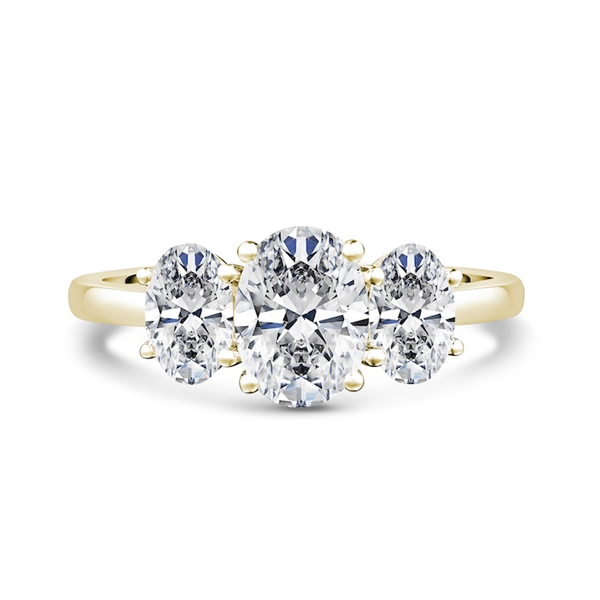
Comparing lab-grown vs natural diamonds begins with origin. Both are diamond, but they form in different environments. That distinction should be clear in the product description and any laboratory documentation supplied with the stone.
The useful comparison includes appearance, documentation, price and personal preference. It should not depend on an assumption that one origin explains every aspect of quality.
Lab-grown vs natural diamonds: the central distinction
Natural diamonds form through geological processes. Laboratory-grown diamonds develop in controlled manufacturing environments. GIA explains that they share essentially the same chemical, physical and optical properties, while their growth history can be identified through specialist examination.
This is different from comparing diamond with a simulant. Moissanite and cubic zirconia are separate materials; a lab-grown diamond is not another name for either. See GIA's explanation of diamond origins.
Appearance needs individual assessment
Neither origin guarantees a particular level of sparkle or a flawless appearance. The actual stone's proportions, finish, colour and clarity remain relevant. Compare measurements and how it looks under ordinary viewing conditions.
An attractive lab-grown diamond and an attractive natural diamond may look very similar without specialist testing. However, that does not mean every example in either group looks the same. Assess the individual stone rather than buying an origin label alone.
Understand the paperwork
A report should identify the material and scope of the assessment. Laboratory formats differ and can change over time. Check the issuing laboratory, report number and details attached to the specific stone.
A metal hallmark does not identify diamond origin. Nor does a general statement about a collection substitute for the description of your chosen item. Keep origin clearly recorded in the order specification.
Compare current, complete prices
There is no single price ratio that describes every lab-grown and natural diamond. Weight, shape, grade, finishing, retailer services and quote date can affect the comparison. Use current offers for comparable stones.
When comparing rings, include the mounting and metal. A lower centre-stone price does not tell you whether the complete setting is equivalent. Likewise, a higher asking price is not a guarantee of a particular future resale result.
Choose a piece you want to own and wear, with a clear understanding of its specification and current cost. A confident decision does not require predicting what another buyer might pay in the future.
Ask precise questions about sourcing claims
Origin alone does not establish the environmental or social impact of a particular stone. If those factors influence your choice, ask what evidence supports the claim about that producer or supply chain.
A useful answer should relate to the actual product or sourcing practice. Broad words such as “sustainable” need more explanation than a statement that a diamond was made in a laboratory.
What this means at Jewel of London
Jewel of London's engagement selection uses lab-grown centre diamonds. Once you have chosen your preferred shape, compare the individual diamond's dimensions, appearance and documentation within your budget.
Explore the engagement collection and compare the listed choices. If a product description or report is unclear, use the contact page before deciding.
Common questions
Can you identify origin by looking at a ring?
Ordinary visual inspection is not a reliable way to establish origin. Specialist testing and documentation matter.
Are lab-grown diamonds all identical?
No. Individual stones vary in characteristics, proportions and appearance.
Which origin should I choose?
Your priorities determine the answer. When weighing lab-grown vs natural diamonds, separate origin from quality, verify the specification and judge the complete purchase on its own terms.