
Sizing and wedding rings
Engagement Ring Resizing: What Affects Your Options?
Understand engagement ring resizing, including metal, stone settings, engraving and why the exact ring needs assessment.
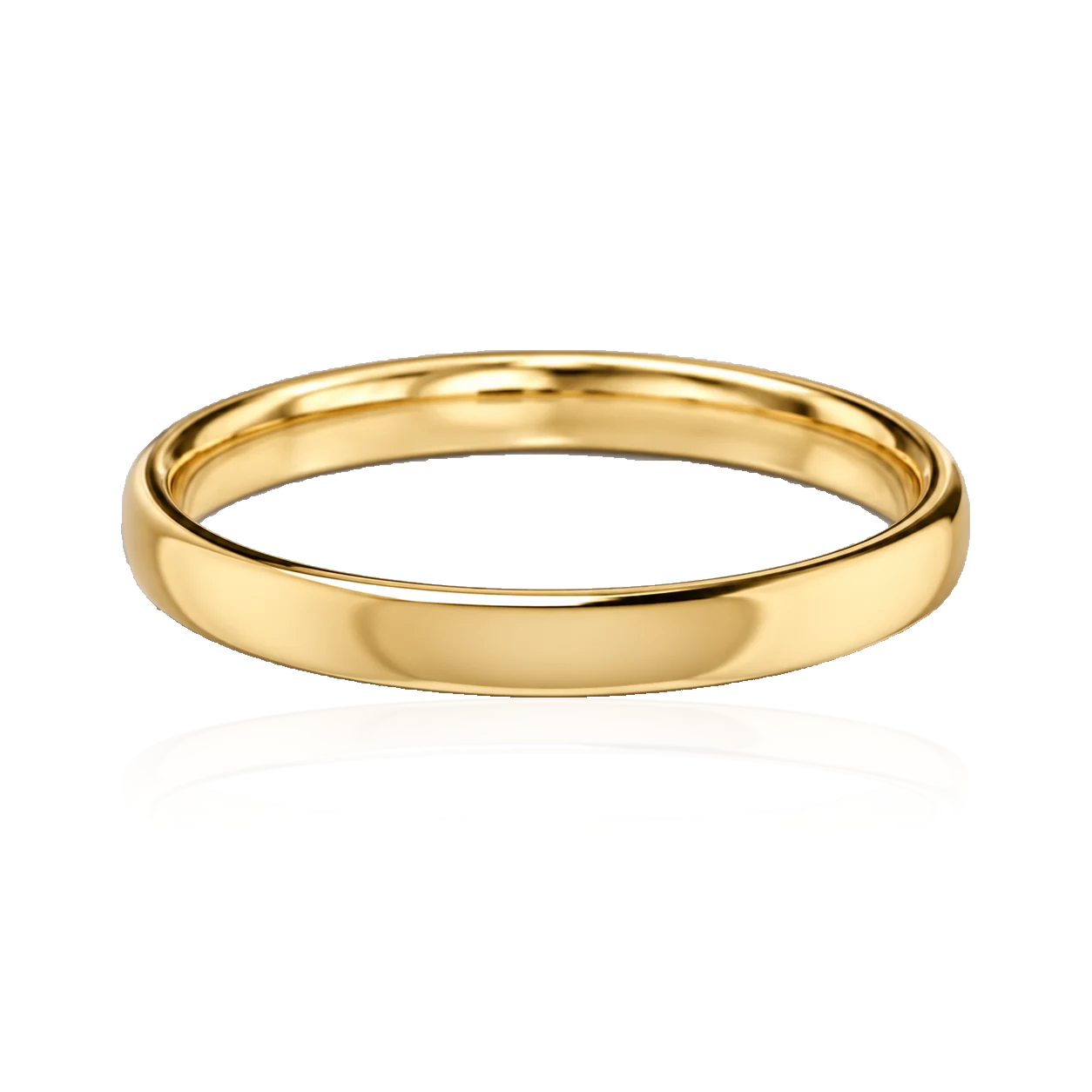
Engagement ring resizing is often possible, but the answer depends on the individual ring. Metal, construction, stone placement and the amount of change all affect what can be done safely.
Ask before purchasing if future adjustment matters to you. A general promise about resizing should not replace advice for the exact design and selected size.
What engagement ring resizing changes
Altering circumference changes the ring's geometry. A jeweller must consider the band and any settings connected to it, not simply make the opening larger or smaller.
GIA's workshop guidance illustrates why stone-set alterations require controlled techniques and quality checks. This is professional work, rather than a suitable home adjustment.
The process and feasibility can differ even between rings that look similar from above.
Consider where the stones sit
A plain section of band may provide more scope for alteration than a continuous circle of settings. Diamond shoulders, channels and pavé can complicate the task because changing the curve can affect stone security.
A full eternity design may need a different solution, or may not be suitable for the requested resize. Do not assume that a small numerical change is automatically straightforward.
Ask whether all stones will be checked after the alteration.
Metal and construction matter
The jeweller needs to identify the metal and alloy, including any previous repairs. Mixed-metal construction, special finishes and hollow sections can affect the approach.
A rhodium-plated white-gold ring may need its surface finish restored after work. Engraving or a continuous decorative pattern may also require attention.
Get a clear explanation of what will change visually and what will be retained.
The size of the change affects the decision
There is no universal number of sizes every engagement ring can safely gain or lose. A substantial change may alter the shape, spacing or proportion of the design.
Provide the current and desired size, then allow the jeweller to assess the physical ring. Photographs can begin the conversation but may not reveal all structural details.
Confirm the service terms
Ask about the proposed work, price, expected timing and any inspection needed. Clarify whether the piece must return to the original seller and how an alteration affects that seller's applicable guarantees or aftercare terms.
For a Jewel ring, confirm the available size adjustment and any charges before booking the work. Include the order reference and explain how the current fit feels.
Use the contact page and retain the written answer with your order records.
Check the result
After resizing, assess comfort, the ring's shape and the appearance of the finish. Ask that the settings, stone security and any engraving be checked.
If the fit remains wrong, discuss it promptly rather than accepting pressure or excessive looseness as normal. Accurate initial measurement remains preferable; see the ring-size guide.
Common questions
Can every solitaire be resized?
Many can, but the actual metal and construction still need assessment.
Is a full eternity ring easy to alter?
Often it is more challenging because settings continue around the band. Obtain specific advice.
Can I rely on a fixed resizing limit?
No universal limit applies. Engagement ring resizing should be agreed for the individual ring and the requested change.