Diamond education
Diamond Cut vs Shape: What Is the Difference?
Understand diamond cut vs shape, including outlines, proportions and light performance, before comparing engagement diamonds.
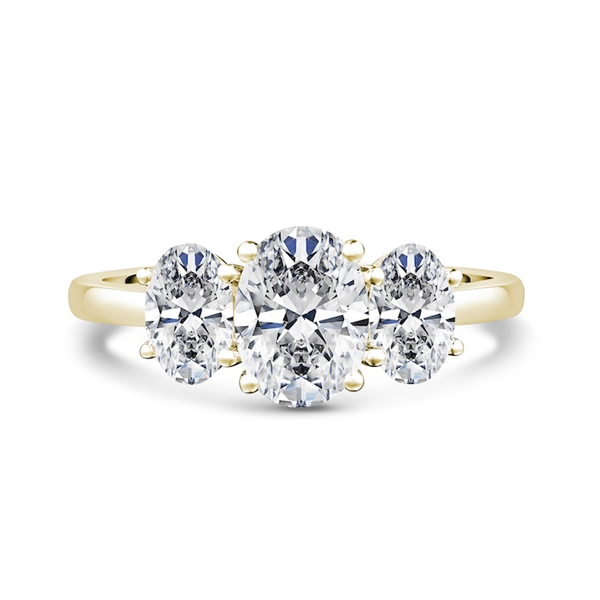
Diamond cut vs shape can be confusing because everyday descriptions use “cut” in more than one way. “Oval cut” may identify an outline, while “excellent cut” may refer to a particular assessment. Those phrases answer different questions.
Shape describes the overall form you see from above. Cut quality concerns how the diamond has been fashioned, including proportions and finishing that influence its appearance.
Diamond cut vs shape in practical terms
Round, oval, pear and marquise are recognisable outlines. Emerald and radiant are names that also convey particular cutting styles. A shape label alone does not establish that a diamond performs well in light.
Start by choosing silhouettes you enjoy. Then assess the individual diamonds within that group. Two ovals can share an outline category while showing different brightness, contrast and proportions.
Browse the shape guide for design comparisons, then ask for actual-stone information when selecting a centre.
Understand what makes the light change
A faceted diamond redirects light through its surfaces. The arrangement and angles of those facets influence the mixture of bright reflections, coloured flashes and contrast you see as it moves.
GIA's cut guide explains these effects. A stone should not be judged from a single still image, because a well-chosen moment can hide areas that look less lively at other angles.
Compare videos recorded under similar conditions where possible. Also consider how the diamond appears in ordinary light, rather than only under strong spotlights.
Read grading terms accurately
An overall cut grade is not the same as a polish grade or symmetry grade. Polish concerns surface finishing; symmetry concerns aspects of alignment and arrangement. Both matter, but together they do not automatically describe the complete face-up appearance.
Report scope varies with laboratory, service and shape. Check exactly which assessments appear. Avoid taking the word “excellent” from one part of a listing and applying it to every aspect of the diamond.
Fancy shapes need individual judgement
A length-to-width ratio helps describe an elongated outline. Table and depth measurements add information about proportions. None should be treated as a universal pass-or-fail formula across all cutting styles.
Look for an outline you enjoy and a pleasing pattern as the stone moves. Consider whether dark areas change with angle or remain visually dominant. The aim is a balanced appearance, not the complete absence of contrast.
Keep the mounting in mind
The chosen shape affects claw positions, tip protection and the ring's footprint. A pear needs a setting designed for its pointed end; a round requires a different arrangement.
The setting should work with the actual stone dimensions. A desirable shape and a good report do not remove the need to assess the finished ring's height, band width and wedding-band clearance.
Common questions
Does round automatically mean better cut?
No. Round describes a shape. Individual round diamonds still differ in proportions and quality.
Does excellent polish mean excellent overall cut?
Not by itself. Read each assessment within the laboratory document's scope.
Should I choose shape or cut quality first?
Shortlist shapes first, then compare the individual stones carefully. Understanding diamond cut vs shape helps you explore Jewel's engagement designs without confusing style preference with quality.