
Metals and care
What Is Rhodium Plating, and Why Is It Used on White Gold?
Understand rhodium plating on white gold, how wear affects its finish and what to ask before arranging replating.
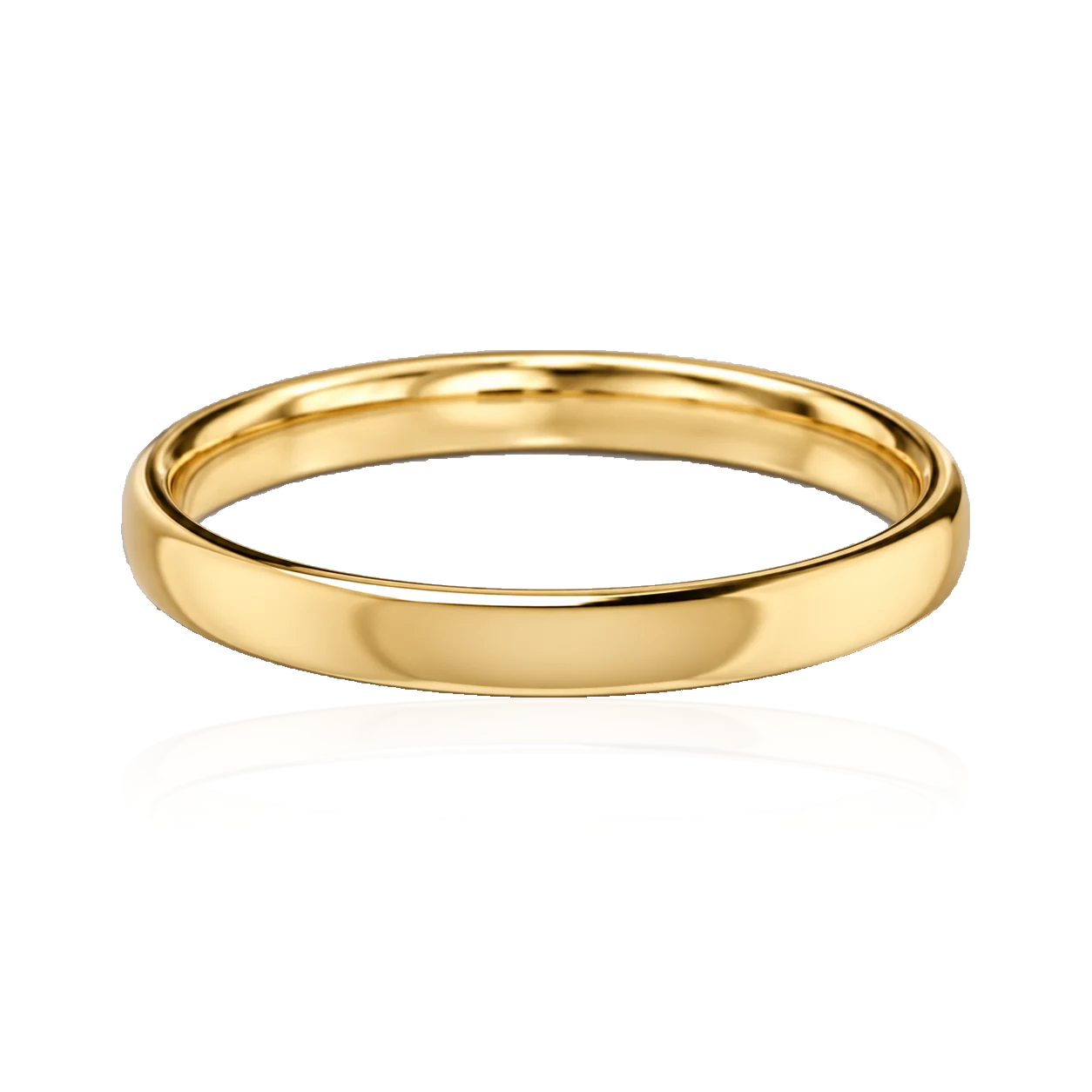
Rhodium plating is a thin surface finish used on many white-gold jewellery pieces to create a bright white appearance. It sits over the underlying alloy rather than changing that alloy into a different metal.
Understanding the finish helps explain why a ring may look different after wear and why maintenance should be based on its actual condition.
What rhodium plating does
White-gold alloys vary in their underlying tone. A rhodium finish creates a bright surface that can make different alloys look more similar when new.
GIA's white-metal guide explains the common use of rhodium on white gold. Not every white-gold item must be plated, so check the specification of the piece you are buying.
The finish does not replace the need to identify the base metal and fineness correctly.
Why the appearance changes
Plating can wear through ordinary contact, especially on frequently used areas. The underlying white-gold tone may become more visible as a result.
That change does not mean the piece has turned into a different alloy. It means the surface finish has changed. The pattern and speed of wear depend on the item, its use and the original finish.
Compare the current condition with photographs or records if helpful, but have a jeweller assess any uncertain change.
Avoid a fixed replating timetable
A ring worn daily may experience different wear from occasional earrings or a pendant. Hand activities and contact points also vary.
Replating every fixed number of months is therefore not a universal requirement. Ask whether the current finish needs attention and what the proposed service includes.
Do not treat repeated polishing as a harmless automatic step. Discuss how the jeweller will prepare and inspect the piece before any refinishing.
Understand what replating cannot repair
A surface finish cannot restore a worn claw, close an unsafe setting or correct a bent band. Structural issues should be assessed separately.
If a stone moves or a claw catches, stop wearing the piece and arrange inspection. Replating may be part of later finishing, but it is not the solution to the underlying problem.
Care for the whole item
Use cleaning appropriate to the stones, treatments and construction as well as the metal. Avoid abrasive products and harsh household chemicals.
A plated item with pearls or other sensitive gems requires a different approach from a sound, untreated diamond ring. Ask for advice specific to the piece rather than applying one cleaning recipe to everything.
The jewellery-care guide provides the general framework.
Common questions
Is rhodium plating the same as white gold?
No. White gold is the underlying gold alloy; rhodium is a surface finish where applied.
Does platinum require the same finish?
Platinum is naturally white. Confirm any special finish on a particular item rather than assuming it follows white-gold maintenance.
What should I ask before buying?
Ask whether rhodium plating is present, what alloy is underneath and what aftercare is available. Use the contact page to clarify the selected Jewel piece.