
Earrings and jewellery
Pendant Chain Types: Trace, Curb and Spiga Compared
Compare pendant chain types, including trace, curb and spiga, by width, construction, bail clearance and clasp.
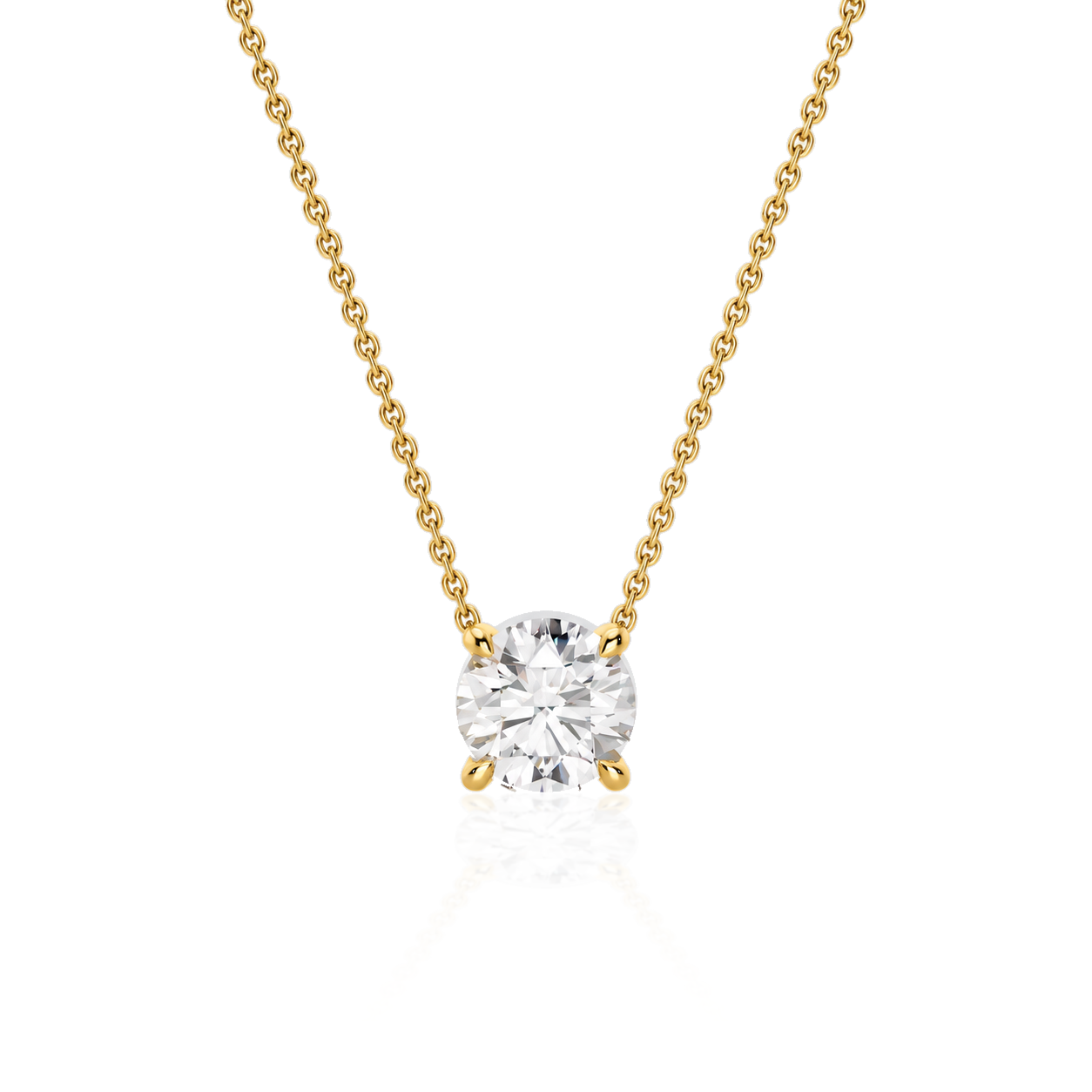
Pendant chain types differ in link shape, texture and flexibility. A chain should complement the pendant visually while providing suitable support through its links, clasp and end fittings.
Style names are a starting point. The actual width, construction and condition determine whether a particular chain is appropriate for a particular pendant.
Compare pendant chain types by their link pattern
A trace chain uses a repeating linked pattern with a relatively clear, open appearance. A curb chain has shaped links that lie in a flatter arrangement. Spiga, also called wheat chain, has a closely interwoven appearance.
Cooksongold's chain guide explains common chain terminology. Manufacturers may offer variations within each family, so compare the actual item.
Choose whether you want the chain to remain visually quiet or contribute more texture to the necklace.
Check width and construction
Two chains sharing a style name can have very different dimensions and strength. Solid and hollow constructions also need different consideration.
Ask for the chain's width and whether its construction is suitable for the intended pendant. Do not assume a visually substantial hollow chain behaves like a solid chain of the same outside dimensions.
The pendant's weight matters, but the clasp and connecting fittings must also be appropriate.
Make sure it passes through the bail
Measure the pendant's opening or have the jeweller check the pairing. The end fitting or clasp may be wider than the chain itself.
Do not force a chain through a narrow bail. Friction and repeated movement at an unsuitable connection can affect wear.
If the pendant has a concealed passage, its shape may place additional restrictions on chain style and flexibility.
Understand “diamond-cut” chain descriptions
Diamond-cut describes a finishing technique that creates reflective surfaces on the metal. It does not mean the chain contains diamonds.
The effect can add sparkle and texture beside a plain or diamond pendant. Compare it with a smoother finish at normal scale, because highly enlarged photographs can exaggerate the surface pattern.
Confirm the underlying metal and fineness separately from the finishing description.
Choose length and clasp together
Length determines where the pendant sits, while the clasp affects handling and security. Ask whether the stated length includes an extender and how the chain is measured.
Try the fastening if possible. A small clasp may look discreet but be less convenient for some wearers. A larger clasp must still suit the pendant's bail and the necklace's balance.
See the necklace-length guide before selecting the final option.
Common questions
Is one chain style always strongest?
No. Link dimensions, construction and workmanship matter more than the name alone.
Can I mix metal colours?
That can be a deliberate design choice, but check physical compatibility and possible wear at contact points.
What should I confirm?
When comparing pendant chain types, confirm metal, width, length, construction and compatibility with the actual pendant. Check the included chain specification in Jewel's pendant collection.