
Buying advice
How to Mix Jewellery Metals with Confidence
Mix jewellery metals with a simple approach to colour, scale and spacing, plus practical checks when rings, necklaces or bracelets touch.
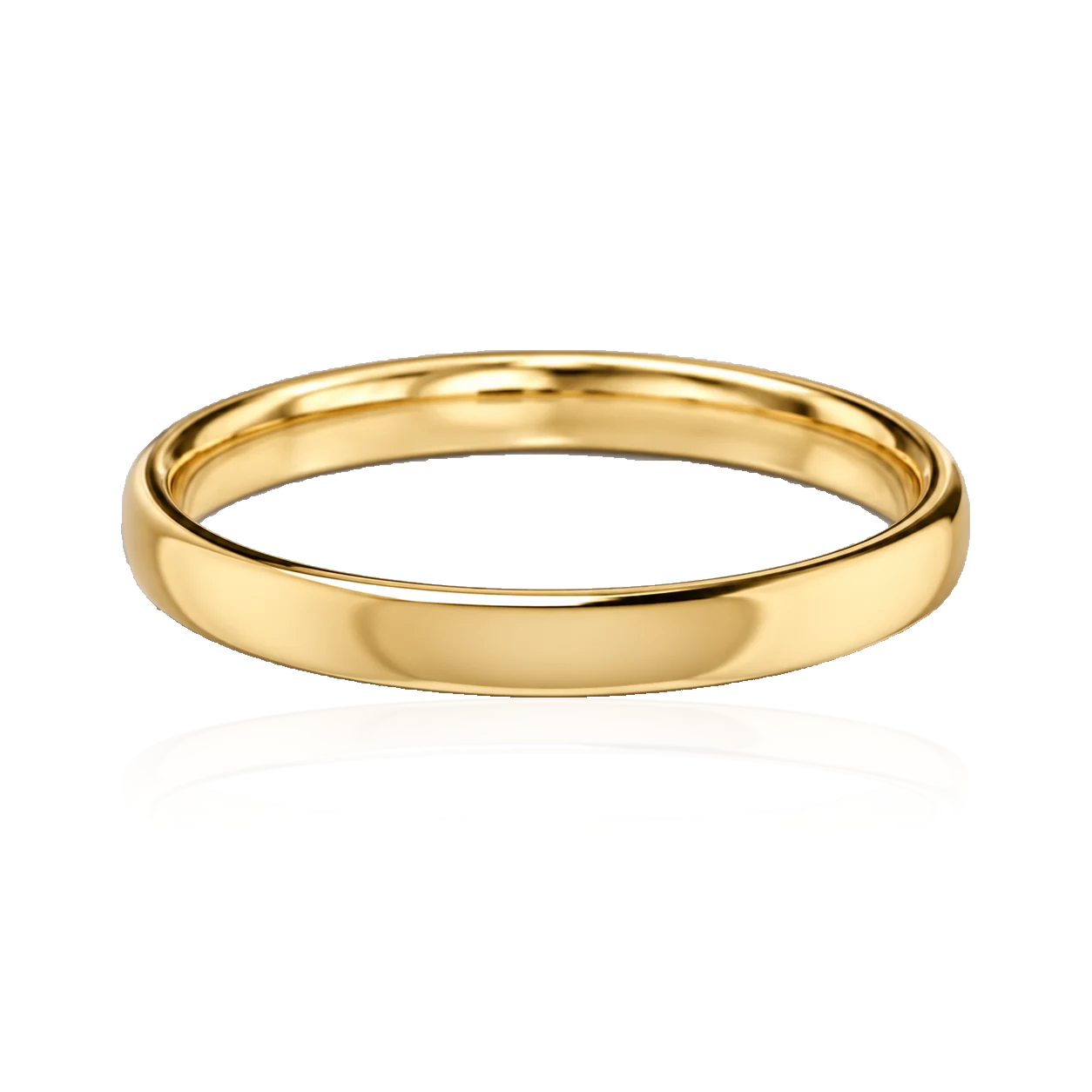
You can mix jewellery metals without replacing the pieces you already love. A yellow gold pendant, a white metal ring and a favourite pair of earrings can belong in the same wardrobe. Start by deciding whether you want a subtle contrast or a more noticeable combination.
There is no rule that every visible item must be the same colour. The useful questions concern balance, comfort and how the pieces interact when worn together.
Mix jewellery metals around one familiar piece
Choose an item you wear often as your starting point. It might be an engagement ring, a pendant or a watch. Add one contrasting piece and look at the whole arrangement in a mirror before making another change.
If the result feels busy, simplify the shapes or reduce the number of pieces. You do not necessarily need to remove the contrasting metal. Several different design details can compete even when every item is the same colour.
Repeat a colour when you want more continuity
A small repeat can make a mixed arrangement feel deliberate. For example, a yellow gold pendant can echo a yellow gold earring detail while a white metal ring remains part of the look. You do not need identical proportions on both sides of the body.
Another approach is to keep one area simple: matching earrings with a mixed set of rings, or a single pendant with different bracelet colours. Try the arrangement with the clothes you wear most rather than only with a special outfit.
Distinguish colour from material
A white appearance does not tell you everything about the underlying metal. Read the product’s material description and fineness, and ask about any surface finish. Two similar-looking pieces may have different maintenance needs.
Our metal guide is a useful place to compare the options. When looking at our wedding and eternity rings, check the selected metal rather than relying only on the image shown.
Pay attention to pieces that touch
Wearing different metals in separate areas is different from stacking pieces that rub directly together. For rings worn side by side, ask a jeweller to assess the actual profiles, settings and contact points. Matching colour alone does not establish compatibility.
Watch for a raised stone setting touching a neighbouring band, or a bracelet repeatedly striking a watch. If pieces catch or rub in a way that concerns you, separate them and ask for advice. A styling preference should not require you to ignore an uncomfortable fit.
A simple trial before buying
- Choose your most-worn item as the starting point.
- Add one contrasting colour.
- Keep the scale or shape of the pieces related.
- Check the combination in daylight and indoor light.
- Test movement and any points of direct contact.
Take a photograph and leave the choice for a day if you are undecided. The aim is a combination you will enjoy repeatedly, not one that only works in a carefully arranged display.
Common questions
Can I wear yellow gold jewellery with a platinum ring?
Yes, as a styling choice. If you want rings to touch in a stack, have their construction and fit checked together.
Do I need a two-tone piece to connect the colours?
No. It can be useful, but repeated shapes, similar scale or a small colour echo can also bring the look together.
Should earrings match a necklace?
Only if you prefer them that way. Try both matching and contrasting combinations, then choose the balance that feels most natural.
For practical handling between wears, read our jewellery care advice.