
Buying advice
Four-Claw vs Six-Claw Rings: How to Choose Your Setting
Compare four-claw vs six-claw rings, including diamond visibility, security and practical details to check before choosing an engagement ring setting.
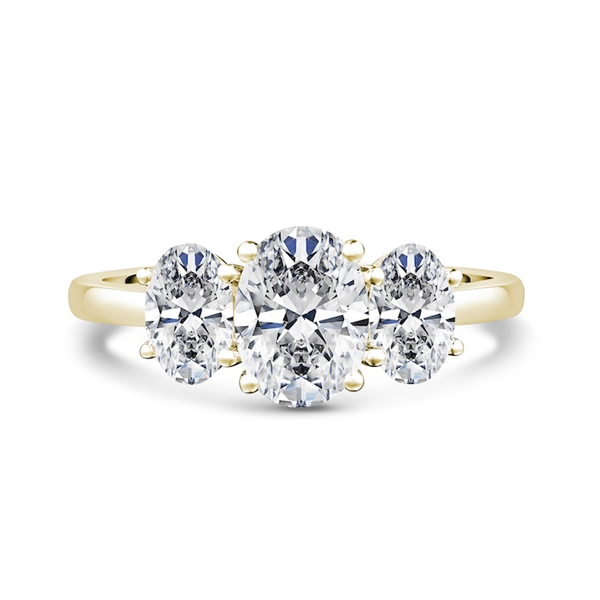
When comparing four-claw vs six-claw rings, look beyond the number of metal tips around the diamond. Both designs can create a beautiful engagement ring. The right choice depends on the stone, the proportions of the setting and how the finished ring feels on your hand.
This comparison is most useful for round centre diamonds. Other shapes need a setting designed around their own outline, so do not assume every stone should use the same arrangement.
How four-claw vs six-claw rings look
Four claws leave more of a round diamond’s outline visible between the holding points. Depending on their position and size, they can also give the overall setting a slightly squarer appearance. Six claws interrupt the outline in more places, often emphasising its roundness.
That difference becomes clearer when you compare rings at the same scale. A close-up photograph can make a delicate claw look substantial. Ask to see a normal viewing distance as well as a detailed image, and compare a similar diamond diameter in each setting.
What the number of claws means for security
GIA explains that six claws can offer additional protection and a better chance of retaining the diamond if one claw is damaged. However, a larger number is not a guarantee against loss. The fit, condition and construction of the complete setting still matter.
GIA also cautions against choosing four claws on the assumption that they automatically create more sparkle. Diamond cut, rather than claw count, is the deciding factor in that claim. Read GIA’s comparison of four and six prongs for the technical background.
Compare the details you will notice every day
Ask for a side view. Notice the height above the finger, the shape beneath the stone and the space available beside a wedding band. A top view alone cannot answer those questions.
Then look at the tips themselves. Fine pointed claws and softly rounded claws give a different finish, even when the number is identical. Choose the effect you enjoy, while asking the jeweller whether the proposed proportions suit the particular stone.
- Compare the same diamond shape and similar measurements.
- Request the band width and overall setting height.
- Ask how a wedding band will sit beside it.
- Check the aftercare and inspection advice for the finished ring.
Make the decision with the whole ring in mind
Browse our engagement rings and save two or three designs whose profiles you like. Your shortlist will be more useful than a general rule that one claw arrangement is always better.
If a ring starts catching on fabric or a stone seems to move, stop wearing it and arrange an inspection. Do not press a claw back yourself. Our jewellery care guide is a useful starting point for everyday handling.
Common questions
Are six claws always the best choice?
No. They offer useful advantages, but the stone’s shape, setting design and workmanship must be considered together.
Will four claws make a diamond look bigger?
They can change how much of the outline you see. They do not change the diamond’s measurements, so compare the actual millimetre dimensions and a realistic view.
Can I change the claw arrangement later?
Ask the jeweller to assess the ring. A different arrangement may require a new head or a more substantial remake, rather than a small adjustment.