
Diamond education
Why Diamonds Look Different in Different Lighting
Learn why diamonds in different lighting can look bright, fiery or more subdued, and how to make a fair comparison before choosing your jewellery.
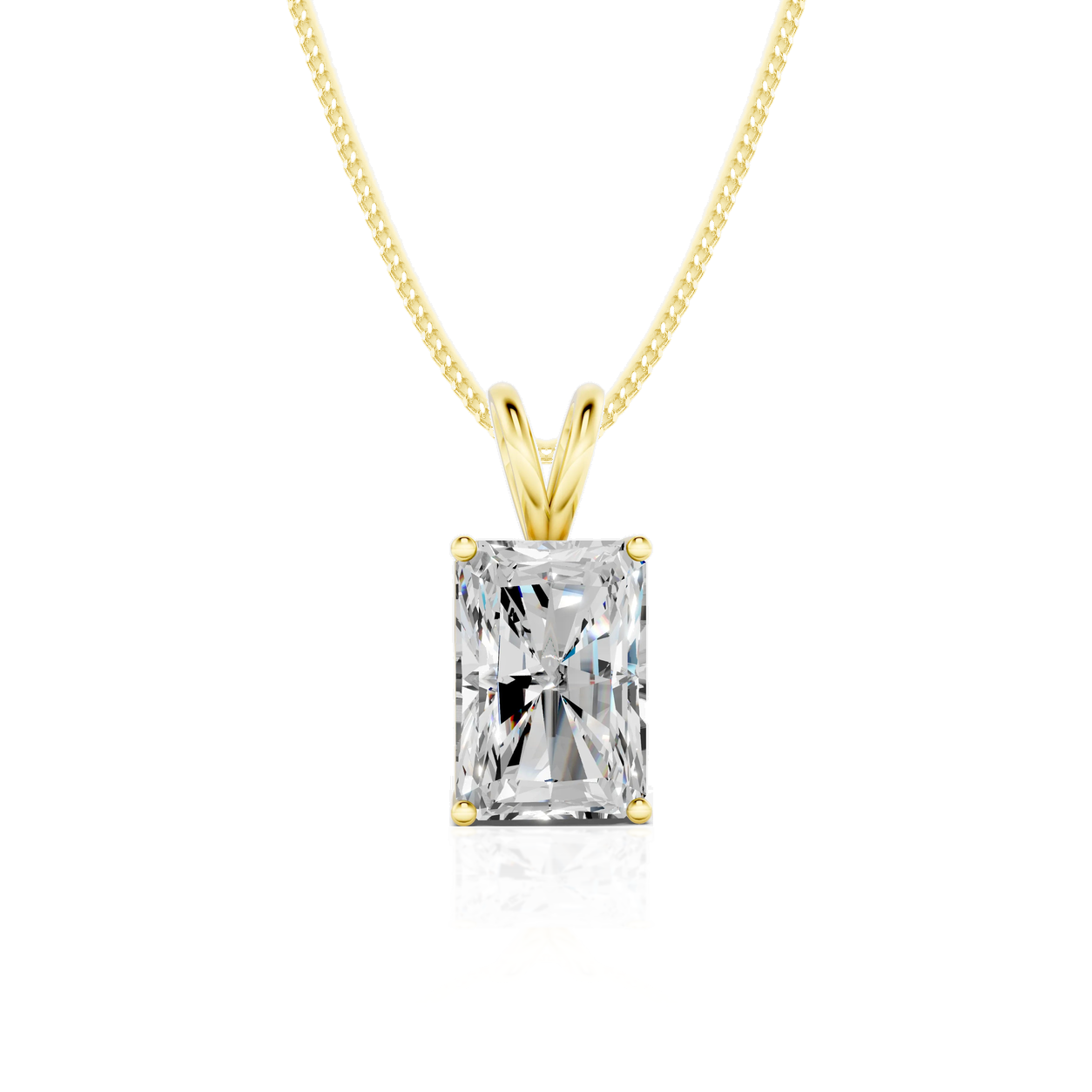
Viewing diamonds in different lighting can be surprising. A stone that gives sharp flashes beneath a spotlight may look softer beside a window. That change is a reason to compare carefully, rather than expecting one photograph to represent every moment of wear.
When you shop for diamond jewellery, consider the places where you will actually wear it. An office, an evening restaurant and an outdoor setting do not provide the same light or surroundings.
Why diamonds in different lighting change appearance
A diamond’s appearance includes brightness, coloured flashes known as fire, and the pattern of sparkle as it or the viewer moves. Different lighting conditions reveal these features differently. The surrounding environment also contributes reflections.
GIA’s explanation of light and diamond appearance recommends looking at a diamond in the conditions where you will normally wear it. A laboratory assessment and an everyday viewing experience answer different questions; both can be useful.
Use more than one viewing situation
Ask for a calm view in diffuse light as well as one that shows sparkle under smaller light sources. You do not need a special lighting kit. The purpose is to avoid choosing entirely from an unusually dramatic presentation.
GIA’s guide to assessing diamond sparkle discusses examining diamonds under different lighting arrangements. When comparing two options, keep the conditions consistent so that you are judging the stones rather than two different filming setups.
Read photographs and videos carefully
Check whether the image shows a design render, a sample ring or the exact diamond. Those are all useful forms of information, but they are not interchangeable. A render can show the shape of the claws and band without demonstrating the individual stone’s optical appearance.
Screen brightness, camera exposure and magnification can also affect your impression. Avoid comparing a brightly edited close-up on one website with a dim handheld video on another and treating the difference as a reliable quality ranking.
Request a short, slow video that includes a steady face-up view. Then view it at a normal scale, not only with the diamond filling the screen. Keep a note of the dimensions so that visual impact and physical size remain separate questions.
Separate appearance from specification
Ask for the diamond’s documented specifications alongside the imagery. If two stones have similar listed grades but look different to you, ask the jeweller to explain the visible differences. Do not assume one appealing clip tells the complete story.
Our carat guide explains another important distinction: weight does not tell you the whole story about dimensions. Use measurements, documentation and appearance together when considering a piece.
Common questions
Should my diamond sparkle in a dark room?
A diamond needs available light to create the reflections and flashes you see. It does not produce its own illumination.
Is a less sparkly photograph evidence of a worse diamond?
Not by itself. Ask about the lighting, whether the image shows the actual stone and how it compares in consistent conditions.
Which view should I request before buying?
Ask for realistic face-up imagery and a slow video of the actual diamond, with enough information about the lighting to interpret it.
Browse our diamond pendants or engagement rings, and contact us if you need help distinguishing design imagery from individual diamond information.