Complimentary insured UK delivery
Jewel of London

Diamond education

How to Balance the 4Cs When Comparing Diamond Quotes

Learn how to balance the 4Cs when comparing diamond quotes, using visible appearance, measurements and the complete ring price.
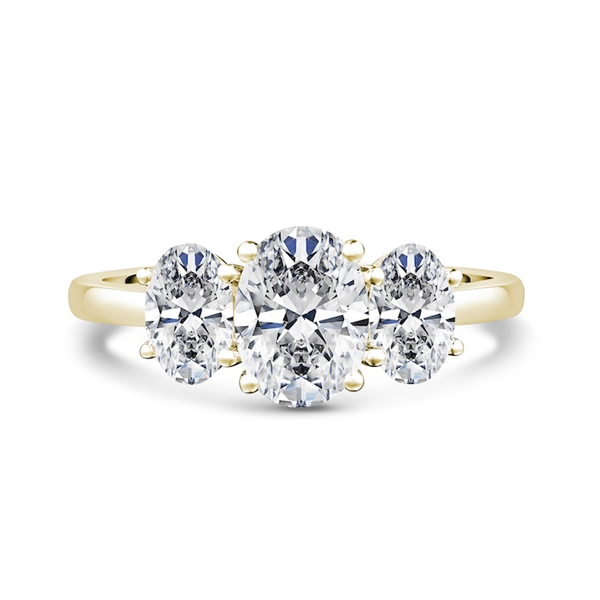
Oval trilogy engagement ring in yellow gold

To balance the 4Cs, decide which differences you can actually see and which features matter to your finished ring. Comparing two quotations is easier when you separate documented grades from personal preferences.

Two diamonds with similar report details can still have different proportions and a different appearance in motion. Use the grades to understand the stone, then assess the actual diamond and finished jewellery.

Balance the 4Cs around your priorities

GIA identifies the four quality factors as colour, clarity, cut and carat weight. Each answers a different question:

  • Cut: how the diamond has been fashioned and how proportions and finishing influence appearance.
  • Colour: the assessed body colour within the grading system used.
  • Clarity: the assessed internal and surface characteristics.
  • Carat: the diamond's weight, rather than a direct measurement of visible size.

A strong result in one area does not cancel out every consideration in another. A high colour grade, for example, does not describe the symmetry of an outline or the pattern across the stone.

Cut is more than shape

Round, oval and pear describe shapes. Cut quality concerns how a diamond has been proportioned and finished. The terms sometimes overlap in everyday language, so ask exactly what a seller means.

Do not assume every laboratory provides the same overall cut assessment for every shape. Read the report type and scope. For fancy shapes, videos and direct inspection remain valuable because polish and symmetry grades cannot describe the whole face-up appearance.

Colour needs context

The familiar D-to-Z scale describes diamonds within its applicable colour range. It is not a universal scale for fancy-coloured diamonds. Even when a letter grade is supplied, metal, surrounding stones and lighting can influence the appearance when worn.

Compare diamonds under similar conditions. A photograph against a warm background is not a controlled comparison with another taken under cooler light.

Clarity is not the same as visible beauty

Clarity assessment considers characteristics seen under specified examination conditions. Everyday viewing is different. An inclusion's position, contrast and relationship to the facet pattern can matter as much to your eye as the grade label.

Ask what is visible without magnification and whether any feature needs a durability assessment. Avoid assuming every diamond within a particular clarity grade looks identical.

Carat needs measurements beside it

Carat is weight. To understand finger coverage or a pendant's appearance, compare length and width in millimetres as well. Different shapes distribute weight differently, and equal weights can produce different outlines.

For jewellery containing several stones, distinguish individual weight from total carat weight. A 1.00 ct total pair of equal solitaire studs contains two approximately 0.50 ct stones, not two 1.00 ct stones.

Read the right report

Jewel's engagement centres are lab-grown. Report formats vary by laboratory and date. GIA introduced Premium and Standard overall assessments for its revised D-to-Z lab-grown service in October 2025; older reports and other laboratories may use different formats. Check the current GIA service rather than assuming every document is identical.

A practical comparison

Imagine two quotes for oval rings with similar centre weights. One diamond is longer and narrower, while the other has a fuller outline and a higher clarity grade. Start by choosing the outline you prefer, then ask whether either stone has visible inclusions. A higher grade alone cannot answer which ring you will enjoy wearing. Compare the complete setting and metal specification before treating the price difference as a diamond-only premium.

Common questions

Which C matters most?

The answer depends on the stone and your priorities. Judge appearance as a whole rather than by one isolated grade.

Do the 4Cs tell me whether a diamond is natural?

Origin must be identified separately. Check the laboratory document and product description.

Can I compare two rings using the 4Cs alone?

No. You also need the setting, metal, dimensions and complete price. Use the 4Cs of diamonds as a foundation when exploring Jewel's engagement designs.
Related reading

Engagement rings

Buying an Engagement Ring Online: What to Check Before Ordering

Buying an engagement ring online? Check the diamond, measurements, complete price, delivery and returns before ordering.

Oval trilogy engagement ring in yellow gold

Buying an engagement ring online gives you time to compare designs carefully. The challenge is knowing which details a photograph can show and which need a written specification. A clear product page should help you understand both.

Use the following checks to turn a shortlist of attractive images into a considered purchase.

Separate design imagery from the actual diamond

A render can explain a setting's shape, claw arrangement and metal colour. It does not establish the exact inclusions, light performance or dimensions of the diamond supplied. A photograph of a sample may also show a different carat option from your selection.

Check what each image represents. If the selected diamond is individually documented, request its report and available actual-stone imagery. Avoid measuring a ring directly from a screen: zoom levels and perspective can distort its apparent size.

Check the details when buying an engagement ring online

Record the metal fineness, band width and centre-stone measurements. For a ring with side stones, establish whether the carat figure covers the centre, the sides or all diamonds combined.

Diamond origin must also be clear. Jewel of London's engagement selection is lab-grown only. Do not infer a different origin from a style name or photograph.

A laboratory report describes the stone assessed by that laboratory. It does not replace the mounting, metal or finished-ring specification. Where relevant, verify the report through the laboratory's own service, such as IGI's report verification.

Compare the complete configuration

Select the exact metal, diamond option and ring size before comparing totals. A setting price is a starting point, rather than the final price of the completed ring.

Save the agreed specification and order confirmation. If the website offers several options, make sure the confirmation records your selections. Resolve any mismatch before production begins rather than assuming the image or basket summary takes priority.

Confirm fit and timing

Use the ring-size guide as a starting point, and seek professional measurement where possible. The correct finger, band width and interior profile all matter. Ask whether the exact design can be resized and what limitations apply.

A made-to-order estimate is not the same as a guaranteed arrival date. If you are planning a proposal, request confirmation of the production and delivery schedule. Leave time to inspect the ring once it arrives.

Read the terms for your purchase

Review delivery, returns and aftercare information before ordering. Ask how customisation or engraving affects the applicable terms. This guide does not replace those current policies or the rights that apply to a particular order.

A useful written question is: “Please confirm the total price, selected specification, expected dispatch date and the returns and resizing terms for this exact ring.” One precise request can resolve several assumptions at once.

Inspect the ring on arrival

Check the design, metal, size and supplied documents against your confirmation. Examine the ring in normal light, without forcing claws or testing stones by hand. If anything appears different or insecure, stop wearing it and contact the seller promptly.

Keep packaging and paperwork while resolving questions. Good records are more useful than reconstructing a product page that may later change.

Common questions

Are online images enough to judge a diamond?

They help, but image type and lighting matter. Use measurements, documentation and actual-stone views alongside them.

Should I rely on a starting price?

Only as an entry point. Compare the final configuration and all included components.

What if a detail is missing?

Ask before ordering. When buying an engagement ring online, an unanswered question about fit, origin or specification is worth resolving. Use the Jewel of London contact page to clarify a specific design.

Related reading

Engagement rings

Engagement Ring Budget: How Much Should You Spend?

Set an engagement ring budget around your priorities. Compare complete prices and balance diamond, metal and setting costs.

Oval trilogy engagement ring in yellow gold

Your engagement ring budget should be an amount you feel comfortable spending. A salary formula cannot tell you what is right for your relationship, your priorities or the design you love. Start with your own figure, then work out how to use it well.

The most helpful question is whether the finished piece offers the appearance, materials and service you expect at an acceptable total price.

Build an engagement ring budget from the full price

Write down your maximum spend and leave room for any confirmed extras. A setting-only price and a complete-ring price are not directly comparable. Equally, a headline price may relate to a different metal or diamond option from the one pictured.

Use a comparison sheet. Record the setting, centre diamond, side diamonds, metal, size and any engraving. Then record the final payable total. This prevents an attractive starting figure from shaping the decision before you understand what it includes.

Rank the details that matter to you

Choose two or three priorities. These might be a particular diamond shape, a platinum setting, a low profile or a larger visible outline. Once those priorities are clear, you can decide where flexibility is reasonable.

For example, a wearer may value an elegant oval outline more than a specific carat milestone. Another may prefer a smaller round centre and a more substantial band. Neither approach is inherently better; spend on features you will notice and enjoy.

The 4Cs guide explains how diamond characteristics fit together. Avoid treating a single high grade as proof that the whole ring is the strongest choice.

Compare the same specification

Jewel of London's engagement range uses lab-grown centre diamonds. When comparing quotes elsewhere, first check that the diamond origin is the same. Also compare the laboratory report, actual measurements, metal fineness and setting construction.

A larger carat weight does not necessarily produce the increase in visible size you expect. Likewise, different clarity grades may not create an obvious difference at normal viewing distance. Assess the actual diamonds rather than assuming every step on a grading scale has equal visual value.

IGI's diamond education explains the quality factors behind a comparison. Prices still require current, like-for-like quotations.

Keep the design balanced

Extra diamonds change more than the bill. A halo increases the ring's overall outline; a trilogy adds side-to-side coverage; diamond shoulders change the band and its care requirements. Consider the finished design rather than adding features simply because your budget allows them.

If a setting already has a strong presence, a different centre size may alter its balance. Review top and side views together before deciding that the largest available option is automatically best.

Leave space for practical decisions

Check any resizing charge, delivery arrangement and aftercare terms. If you intend to buy a wedding band later, consider the shape and likely fit now. A ring that requires a specially fitted companion may affect your later spending choices.

Compare three complete options: your preferred design, a lower-cost alternative and a version with one meaningful upgrade. This makes the trade-offs easier to see without turning shopping into an endless search.

Common questions

Do I need to spend a certain number of months' salary?

No. Use your own circumstances and priorities. There is no universal purchase amount that makes an engagement ring appropriate.

Should I spend more on the diamond or setting?

The split depends on the design. A complex trilogy and a plain solitaire allocate costs differently. Compare the complete result.

Does a higher price guarantee a better ring?

No single price proves quality or suitability. A sound engagement ring budget supports a clear specification, a design you enjoy and terms you understand. Explore the available settings with that complete picture in mind.

Related reading

Engagement rings

How to Choose an Engagement Ring: A Guide for UK Buyers

Learn how to choose an engagement ring by comparing diamond shape, setting, metal, ring size and the complete price.

Oval trilogy engagement ring in yellow gold

To choose an engagement ring, start with how it will be worn. A striking photograph is only part of the decision. The setting must feel comfortable, the proportions should suit the wearer, and the complete price needs to fit your budget.

You do not need to become a diamond specialist before you begin. Work through the choices in a sensible order, and ask for clear information whenever a description leaves room for doubt.

Choose an engagement ring around everyday life

Think about the jewellery the wearer already enjoys. Do they prefer small, understated pieces or a more noticeable centre stone? Look at the colour of their rings and the shapes they return to. These clues are more useful than assuming a particular style suits everyone.

Next, consider practical habits. Someone who wears gloves often may prefer a lower profile. Someone planning a close-fitting bridal set should consider wedding-band clearance early. Even a robust ring should come off for activities that expose it to heavy pressure or impact.

Choose an engagement ring within your budget

Decide your comfortable total before comparing diamonds. Check whether each advertised price includes the centre stone or only the setting. Also include any chosen side stones, engraving and other confirmed charges before deciding which option offers the right balance.

Jewel of London's engagement collection uses lab-grown centre diamonds. Compare the selected stone's measurements, appearance and documentation alongside the setting to understand the finished ring.

Browse the engagement collection to understand the available designs, then compare complete configurations rather than starting prices alone.

Compare shape, measurements and appearance

Carat describes weight. It does not tell you exactly how much finger coverage a diamond will provide. Ask for its length and width in millimetres, and compare similar views at a realistic scale.

A round diamond, an oval and a radiant can look quite different at the same weight. With elongated shapes, also consider whether you prefer a fuller or slimmer outline. Photographs and video should show the actual stone when you are assessing its individual appearance; a design render serves a different purpose.

GIA's buying checklist introduces the questions behind a purchase.

Inspect the setting from the side

A top view can hide a tall basket, a low bridge or the space where a wedding band will sit. Therefore, request the side profile and the band width. Check how pointed corners are protected, how the shoulders support the centre, and whether the design gives you room to clean underneath.

Choose the metal for colour, feel and maintenance preferences. White gold and platinum require different care, while yellow and rose gold change the overall palette. Your preference matters more than a rule about which metal you should wear.

Confirm the final details

Before ordering, keep a written record of:

  • The design, metal and UK ring size.
  • The centre diamond's origin, weight and agreed specifications.
  • Any side-stone weights and the meaning of the total carat figure.
  • The complete price and confirmed delivery estimate.
  • The applicable resizing, aftercare and returns terms.

Read the current delivery information and returns policy. If a date matters, obtain a specific confirmation before relying on it.

Common questions

Should I choose the diamond or setting first?

Choose them together. Start with a style and budget, then check that the selected diamond's dimensions work with the setting and the desired wedding band.

Can I choose an engagement ring without knowing the size?

Ask about the options before ordering. Resizing depends on the construction, so a guessed size should not be treated as a harmless detail.

What is the most important choice?

There is no single answer. To choose an engagement ring well, balance its appearance, fit, practicality and complete cost around the person who will wear it.

Related reading

Buying advice

Travelling with Fine Jewellery: A Practical Packing Routine

Prepare for travelling with fine jewellery with a simple selection, packing and storage routine that keeps your chosen pieces organised throughout the trip.

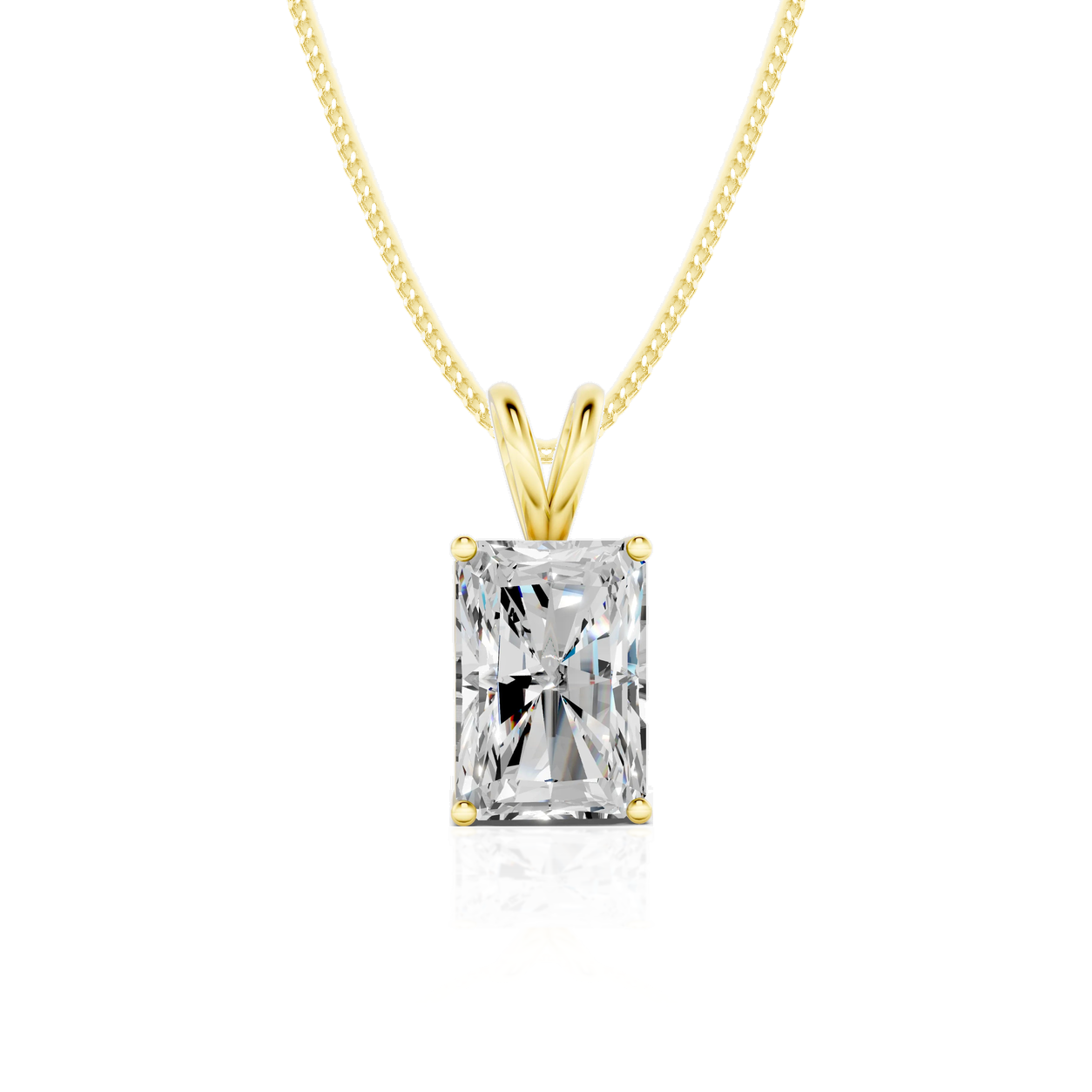
Radiant diamond solitaire pendant on a yellow gold chain

Travelling with fine jewellery is easier when you take a small, considered selection. Before packing, look at the activities on your itinerary and decide which pieces you will realistically wear. Leaving an important item at home can be the most comfortable choice for a busy or active trip.

The aim is a manageable routine. A few familiar pieces are easier to keep track of than a collection packed for every possible outfit.

Start travelling with fine jewellery before you pack

Check the pieces in advance. If a clasp is unreliable, a chain is damaged or a stone seems loose, arrange an inspection rather than taking it on the assumption that it will last until you return.

Choose combinations that work with more than one outfit. For example, one pair of earrings and a pendant may cover several occasions. Our earrings and pendants can be compared by dimensions when planning a compact selection.

Pack pieces separately and keep them with you

GIA’s travel advice recommends keeping jewellery in carry-on luggage and recording the pieces you take. Use a compartmented case or separate soft pouches so that items do not move freely against one another.

Fasten necklaces before packing and arrange them separately. Keep each pair of earrings together with its backs. A designated space for each item also makes it easier to notice if something has not been returned to the case.

Create one consistent removal routine

Decide where you will place jewellery when you take it off, rather than using whichever surface is nearest. Avoid wrapping pieces in tissues or leaving them on a bedside table where they are easy to overlook.

Use your case whenever the jewellery is not being worn, and keep it in an appropriate secure place. No storage arrangement removes every risk, so take only what you are comfortable managing throughout the trip.

Plan around the activities

Think ahead about swimming, exercise and hands-on activities. Remove jewellery before situations where it may be knocked, pulled or exposed to unsuitable chemicals. GIA’s guidance on diamond damage explains why a hard gemstone still needs protection from impact.

It is easier to leave a piece safely stored before leaving your accommodation than to remove it at the pool or on an excursion. Choose a routine that you can follow without juggling loose items outside.

Use a short departure check

  • Count the pieces against your original list.
  • Check the bathroom, bedside area and dressing space.
  • Confirm that earring backs and other small components are included.
  • Return every piece to its own compartment.
  • Keep the jewellery case with you during the journey.

After returning home, unpack the case promptly. Follow our care guide and arrange a check if a piece has taken a knock or feels different.

Common questions

Should I take my engagement ring on holiday?

Consider the destination, planned activities and how comfortable you feel managing it. You can choose to leave it at home without needing a substitute.

Can I put jewellery loose in a wash bag?

A separate padded case is a more organised option and avoids contact with toiletries and other objects.

Is a photograph useful?

Yes. Alongside a simple list, it helps you keep a clear record of the pieces you packed. Keep that record private.

Buying advice

Building a Jewellery Capsule Wardrobe: Start with What You Wear

Build a jewellery capsule wardrobe around your routine, with a practical edit of earrings, pendants and rings that work together without unnecessary purchases.

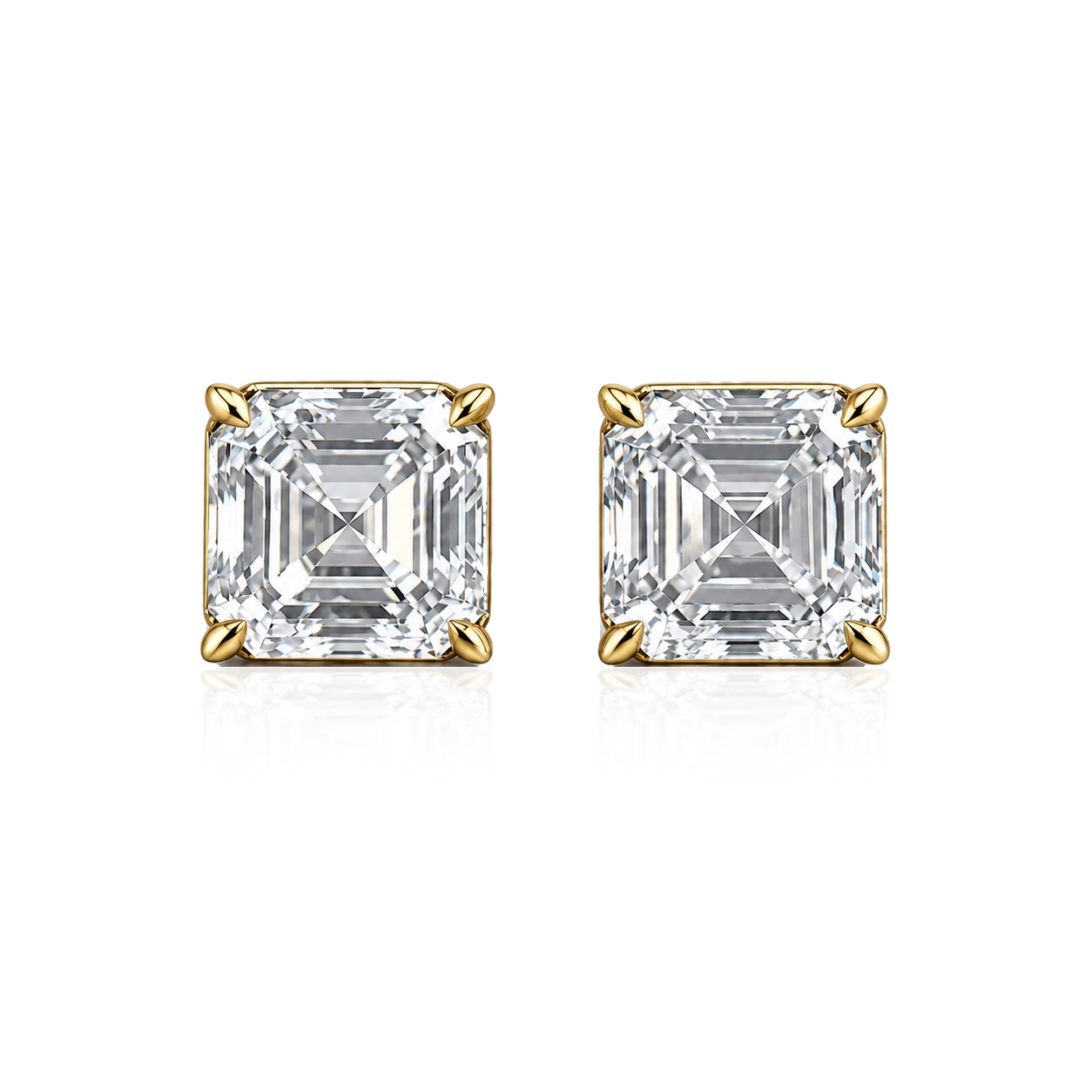
Four-claw Asscher diamond stud earrings in yellow gold

A jewellery capsule wardrobe is a small collection of pieces that work with your everyday life and with one another. It does not need a fixed number of items or a complete matching set. Begin with what you actually wear, then identify any useful gaps.

This approach can be especially helpful when buying your first piece of fine jewellery. Instead of asking what everyone should own, ask what would earn a regular place in your own routine.

Audit your jewellery capsule wardrobe

Lay out the pieces you reach for most often. Separate those you enjoy wearing from those you keep mainly for sentimental reasons. Both can matter, but they have different roles when planning the next purchase.

Notice repeated preferences. Do you choose studs over longer earrings? Do you wear necklaces only with certain necklines? Are your favourite rings simple enough to combine, or do you prefer one prominent piece?

Make a short list of what prevents the less-worn items from working. It may be weight, an awkward fastening, an unsuitable length or a style you no longer enjoy. A new purchase should solve a real gap rather than repeat it.

Choose a dependable everyday starting point

For some people, this is a pair of earrings that feels comfortable through the day. For others, it is a small pendant or one favourite ring. Try that piece with several normal outfits before deciding what should come next.

Explore our diamond earrings and pendants by dimensions and design details, as well as appearance. A large product image does not tell you how a piece will feel or sit when worn.

Add variety through one considered change

A capsule can include contrast. You might choose one more expressive shape, a different metal colour or a piece for occasions. Keeping some shared element, such as simple lines or a similar scale, can make combinations easier.

Before adding an item, describe two or three situations where you would wear it. If the answer is vague, leave it on the shortlist. You do not need to finish a jewellery collection in one shopping session.

Think about fit and maintenance

Read the selected metal, size, fastening and chain details before ordering. Ask any practical questions early, including whether an adjustment is possible and what it would involve. Comfort often decides whether a beautiful piece becomes an everyday favourite.

Build care into your routine too. Keep pieces separate between wears, and follow the instructions for their particular materials. Our jewellery care guide explains the basics.

A useful shortlist

  • One piece you already wear regularly.
  • One complementary item that works with several outfits.
  • One optional piece for a different mood or occasion.
  • A clear note of sizes, dimensions and preferred metal colours.
  • A storage arrangement that makes everything easy to find.

These are roles, not a shopping requirement. Your existing collection may already cover them. The most successful edit may involve wearing what you own in a new combination.

Common questions

How many pieces belong in a capsule?

There is no ideal total. Keep enough variety for your routine without feeling that you must fill a prescribed list.

Must everything match?

No. Compatibility matters more than uniformity. Try different combinations and keep the ones you enjoy.

Should I buy all the pieces at once?

You do not need to. Wearing one new piece for a while can reveal what would be useful next and help you avoid unnecessary purchases.

Buying advice

How to Mix Jewellery Metals with Confidence

Mix jewellery metals with a simple approach to colour, scale and spacing, plus practical checks when rings, necklaces or bracelets touch.

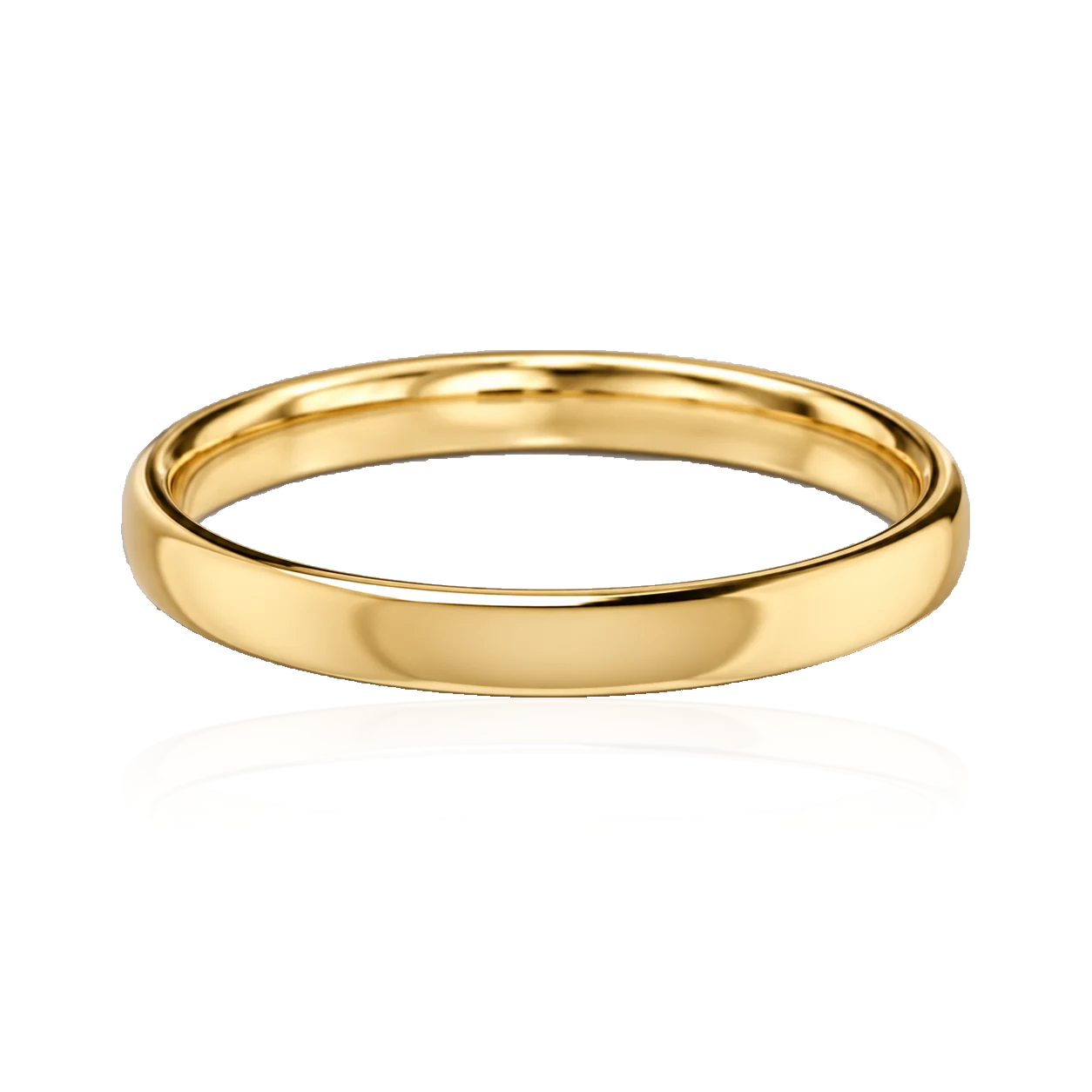
Plain yellow gold court wedding band

You can mix jewellery metals without replacing the pieces you already love. A yellow gold pendant, a white metal ring and a favourite pair of earrings can belong in the same wardrobe. Start by deciding whether you want a subtle contrast or a more noticeable combination.

There is no rule that every visible item must be the same colour. The useful questions concern balance, comfort and how the pieces interact when worn together.

Mix jewellery metals around one familiar piece

Choose an item you wear often as your starting point. It might be an engagement ring, a pendant or a watch. Add one contrasting piece and look at the whole arrangement in a mirror before making another change.

If the result feels busy, simplify the shapes or reduce the number of pieces. You do not necessarily need to remove the contrasting metal. Several different design details can compete even when every item is the same colour.

Repeat a colour when you want more continuity

A small repeat can make a mixed arrangement feel deliberate. For example, a yellow gold pendant can echo a yellow gold earring detail while a white metal ring remains part of the look. You do not need identical proportions on both sides of the body.

Another approach is to keep one area simple: matching earrings with a mixed set of rings, or a single pendant with different bracelet colours. Try the arrangement with the clothes you wear most rather than only with a special outfit.

Distinguish colour from material

A white appearance does not tell you everything about the underlying metal. Read the product’s material description and fineness, and ask about any surface finish. Two similar-looking pieces may have different maintenance needs.

Our metal guide is a useful place to compare the options. When looking at our wedding and eternity rings, check the selected metal rather than relying only on the image shown.

Pay attention to pieces that touch

Wearing different metals in separate areas is different from stacking pieces that rub directly together. For rings worn side by side, ask a jeweller to assess the actual profiles, settings and contact points. Matching colour alone does not establish compatibility.

Watch for a raised stone setting touching a neighbouring band, or a bracelet repeatedly striking a watch. If pieces catch or rub in a way that concerns you, separate them and ask for advice. A styling preference should not require you to ignore an uncomfortable fit.

A simple trial before buying

  • Choose your most-worn item as the starting point.
  • Add one contrasting colour.
  • Keep the scale or shape of the pieces related.
  • Check the combination in daylight and indoor light.
  • Test movement and any points of direct contact.

Take a photograph and leave the choice for a day if you are undecided. The aim is a combination you will enjoy repeatedly, not one that only works in a carefully arranged display.

Common questions

Can I wear yellow gold jewellery with a platinum ring?

Yes, as a styling choice. If you want rings to touch in a stack, have their construction and fit checked together.

Do I need a two-tone piece to connect the colours?

No. It can be useful, but repeated shapes, similar scale or a small colour echo can also bring the look together.

Should earrings match a necklace?

Only if you prefer them that way. Try both matching and contrasting combinations, then choose the balance that feels most natural.

For practical handling between wears, read our jewellery care advice.

Buying advice

How to Layer Necklaces Without Overcomplicating Your Look

Learn how to layer necklaces with clear spacing, balanced pendant sizes and practical checks for movement, chain fit and everyday wear.

Radiant diamond solitaire pendant on a yellow gold chain

Learning how to layer necklaces is easier when you start with two pieces you already enjoy. Choose one as the main feature, then use the second to support its shape or texture. You can add more later, but a clear starting point makes the arrangement easier to judge.

Think about the neckline you actually wear most often. A combination that works with an open shirt may disappear beneath a crew neck or compete with a detailed collar.

How to layer necklaces with useful spacing

Choose different resting positions so that each chain has room to be seen. The exact gap is personal: neck size, chain construction and the weight of a pendant all affect where the pieces sit.

Use a mirror to check the arrangement on you. Length labels are a helpful starting point, but they do not guarantee the same position on every wearer. If a chain has adjustable fastening points, try each before buying another length.

Give the pendants different jobs

One option is a simple upper chain with a pendant below it. Another is two small pendants with noticeably different outlines. If both pieces are equally large and detailed, try them separately before deciding that the combination needs a third layer.

Our diamond pendant collection offers shapes to compare. Look at the pendant dimensions and the selected chain details together. Check what is included in the product configuration rather than assuming every photograph represents the same chain option.

Use metal colour deliberately

Matching metals can keep the arrangement quiet and cohesive. Mixing colours can also work well, especially when one colour leads and another acts as a smaller accent. Neither approach needs a fixed ratio.

If you already wear a favourite ring or pair of earrings every day, try the necklaces with those pieces. You are building a combination for a person, not an isolated display.

Check movement before wearing the layers out

Walk around, turn your head and sit down. Notice whether the pendants repeatedly collide or whether one chain slides into the other. Different lengths can help with separation, but they cannot guarantee that necklaces will never tangle.

Do not force a pendant onto a chain if the fitting is too small. Ask a jeweller about compatibility and any proposed adjustment. Similarly, avoid adding an extender whose material or strength is unclear merely to achieve a particular position.

  • Start with two pieces and a familiar neckline.
  • Check their resting positions on your own body.
  • Test whether pendants overlap during movement.
  • Use compatible fastenings and properly fitted components.
  • Separate the necklaces when storing them.

Keep the everyday routine simple

Take a quick photograph of combinations you like so that you can recreate them without experimenting each morning. Store each necklace separately to make the next wear easier, and follow the care advice appropriate to its materials.

See our jewellery care guide and metal guide when planning pieces for regular wear.

Common questions

How many necklaces should I layer?

There is no required number. Two give you an easy way to assess spacing and movement before adding another.

Will different lengths stop tangling?

They may improve separation, but movement and chain design still matter. Test the actual combination rather than relying on a rule.

Can I mix a diamond pendant with a plain chain?

Yes. It is a simple way to give the pendant a supporting layer. Choose proportions that leave both pieces visible.

Buying advice

Bridal Jewellery and Necklines: How to Balance the Whole Look

Match bridal jewellery and necklines with a practical guide to pendants, earrings and bracelets, including a simple styling check before the wedding.

Four-claw Asscher diamond stud earrings in yellow gold

Choosing bridal jewellery and necklines together helps you see the whole outfit before buying individual pieces. Start with the dress, then consider your hairstyle, any veil or hair accessory, and the jewellery you already plan to wear.

The suggestions below are styling options, not rules. A necklace is not compulsory, and matching every piece exactly is not necessary. The best arrangement is one you enjoy from a normal viewing distance and can wear comfortably through the day.

Bridal jewellery and necklines: choose a focal point

Decide where you want the eye to settle. With an embellished bodice, small earrings may provide enough detail. With a simple dress, you might prefer a pendant or more noticeable earrings. Try one focal piece first, then add only what improves the overall balance.

Include your engagement ring and wedding band in the trial. They are part of the finished look, even if you have been thinking mainly about the neckline.

Open and sweetheart necklines

An open neckline gives a pendant room to sit against the skin. Check where it falls when you stand, sit and lean forward. A piece that rests neatly in a still photograph may move against the edge of the dress during the day.

If the neckline already has a strong shape, try the outfit without a necklace as well. Earrings and a bracelet can complete the look while leaving that line visible.

V-necks and higher necklines

A pendant can echo the line of a V-neck, but the chain length needs to work on your body and with that particular dress. Avoid choosing solely from the length shown on another person.

For a high neckline, start with earrings. A necklace worn over fabric can be a deliberate choice, but inspect how the chain and setting sit against the material. Lace, beading and loose threads deserve a careful movement check.

Try the jewellery with your planned hairstyle

Earrings can look quite different with hair up or down. Check visibility from the front and side, and think about how they interact with hair accessories. Try both ears with the correct backs, rather than judging from one earring held in place.

Browse our diamond earrings and diamond pendants for shapes to compare. Read each piece’s dimensions and selected metal details instead of relying on the apparent size of a close-up.

A final fitting checklist

  • Photograph the whole outfit in a mirror at normal distance.
  • Sit, turn your head and raise your arms gently.
  • Check whether a pendant touches the dress edge.
  • Make sure earrings feel comfortable and their backs are secure.
  • Check bracelet movement near sleeves and other jewellery.

Plan a safe place for anything you remove during preparation. Put jewellery on after hair and beauty products, as reflected in GIA’s jewellery care advice.

Common questions

Must bridal jewellery match the engagement ring?

No. Matching metal colour creates continuity, while a considered mix can feel personal. Try both with the complete outfit.

Can I wear earrings and a necklace together?

Yes. Compare their scale and detail, and decide whether you want one to lead or both to have equal emphasis.

When should I choose the jewellery?

Once the dress neckline and broad styling plan are clear, allow time for a trial and the confirmed delivery period. Do not rely on an estimated dispatch date for a fixed wedding deadline.

Buying advice

Proposal Ring or Engagement Ring: Should You Choose Together?

Deciding between a proposal ring or engagement ring? Compare a surprise purchase with choosing together, including budget, fit and a practical plan.

Plain yellow gold court wedding band

Choosing a proposal ring or engagement ring starts with a personal question: would your partner enjoy the surprise of a finished ring, or prefer to help choose the piece they will wear? Neither approach is more romantic by default. A thoughtful plan reflects the person and the way you make decisions together.

A proposal ring usually means a temporary or symbolic ring used for the moment itself. The final engagement ring is chosen later. The terms are informal, so explain exactly what you mean when discussing an order with a jeweller.

When a surprise engagement ring makes sense

You may already have a clear shortlist, an accurate size and direct comments about favourite designs. In that situation, choosing the final ring can feel straightforward. Keep those concrete preferences ahead of assumptions about what someone ought to like.

Consider how specific the information is. Knowing that your partner wears yellow gold is helpful. It does not tell you whether they prefer an oval solitaire, a trilogy or a lower setting. If several important choices remain uncertain, pause before committing to a detailed specification.

When to choose a proposal ring or engagement ring together

A symbolic ring gives you a way to keep the proposal itself a surprise while sharing the design decision afterwards. Agree a comfortable overall budget before browsing, including the symbolic piece if you are buying one separately.

Choose something meaningful and wearable on its own if you would like it to remain a keepsake. It could be simple, but it should not need to imitate the final ring. Be clear that the permanent choice is still to come, rather than leaving your partner unsure about your intention.

Do not treat resizing as a guaranteed solution

If you do not know the correct ring size, ask about the specific options before buying. Different constructions have different limitations. A guessed size may affect the practicality of a surprise purchase.

Read our UK ring size guide, then arrange a proper size check where possible. Also read the applicable returns information before choosing a personalised or made-to-order piece. Do not assume that an unwanted design can simply be exchanged.

Make the shared appointment useful

If you plan to choose together, each save a small shortlist before discussing the details. Compare what you like about the examples: shape, height, band width, metal colour or overall simplicity. This creates a more useful conversation than trying to name one perfect ring immediately.

  • Set a comfortable total budget.
  • Choose two or three styles to compare.
  • Confirm size and everyday comfort.
  • Consider the wedding band at the same time.
  • Ask for a written specification and delivery estimate.

Our engagement collection is a starting point for that conversation. Contact us before planning around a particular date or assuming a symbolic-ring service is included.

Common questions

Does a proposal need a ring?

No. The meaning comes from the commitment you are making. A ring, another keepsake or a plan to choose together are personal options.

Should the temporary ring match the final design?

It does not have to. You may prefer a separate keepsake with its own place in your partner’s jewellery collection.

How do I preserve the surprise while asking about style?

You can discuss preferences openly without revealing the timing or details of a proposal. Clear information is more useful than an elaborate guess.

Your bag

Enjoy 10% off
Join our newsletter and enjoy 10% off full-price jewellery.
    Get my 10% code
    Email me new collections and offers.
    Unsubscribe anytime. Privacy
    No thanks, I’ll keep browsing