
Metals and care
Platinum vs White Gold: Colour, Weight and Maintenance
Compare platinum vs white gold for natural colour, rhodium plating, weight and surface wear before choosing your jewellery.
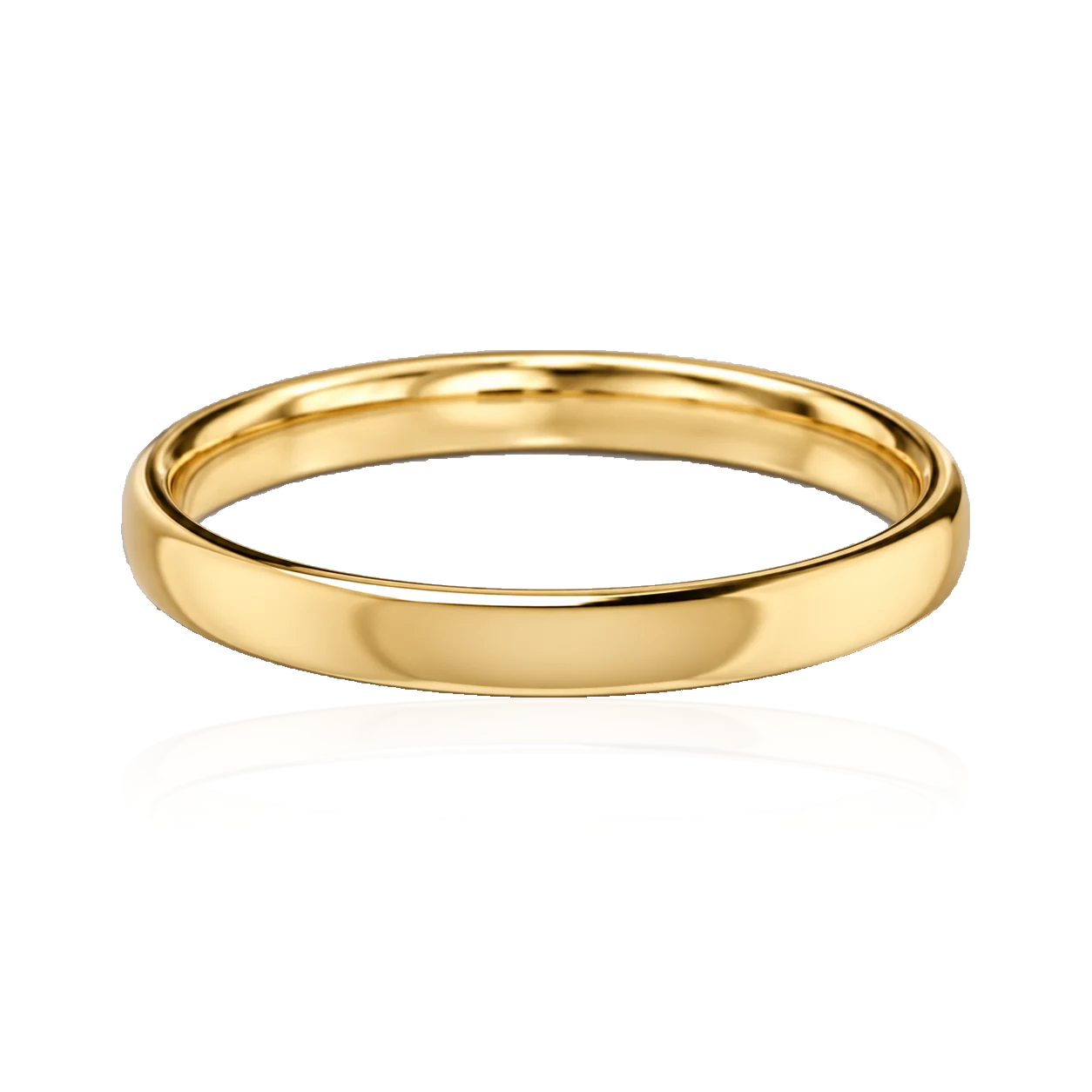
Platinum vs white gold is a comparison between two different precious-metal options that can create a similar white appearance. Their composition, weight and surface maintenance differ, so the choice should involve more than looking at a photograph.
Compare actual pieces with similar dimensions. That makes it easier to judge the colour, feel and profile without confusing the metal with a different design.
Platinum vs white gold: understand the material
White gold is a gold alloy made with other metals to produce its colour and working properties. It is often finished with rhodium plating. Platinum jewellery uses a platinum alloy and is naturally white.
GIA's white-metal guide explains these distinctions. Check the stated fineness and finish for the actual piece rather than assuming every white-gold item uses the same alloy or plating.
A hallmark and clear specification help identify what you are buying.
Compare the feel at similar dimensions
Platinum commonly feels heavier than gold alloys in a comparable design. However, two rings that look similar may have different widths, depths or hollow sections.
Ask for the complete dimensions and weight where available. Decide whether you enjoy a more substantial feel or prefer something lighter. Neither preference is a measure of how meaningful or suitable the ring is.
Understand surface wear
Both metals can show marks through use. Platinum may develop a softer surface appearance often called patina. Rhodium-plated white gold may reveal more of its underlying alloy colour as the finish wears.
Wear varies with the design and how the piece is used. There is no universal replating schedule suitable for every person or item.
Discuss maintenance based on the actual condition. Repeated polishing should be considered carefully rather than treated as an automatic routine after every small mark.
Ask about the alloy if composition matters
White gold and platinum are not each a single identical recipe. If you need to know which alloying metals are present, ask for that information for the selected piece.
Do not rely on broad claims that one category is suitable for every wearer. A clear description of the actual material is more useful than a blanket promise.
Compare the complete purchase price
Metal prices and manufacturing costs change. Obtain current quotations for the same design, size and stone specification.
A platinum option is not automatically more or less expensive in every comparison. Look at the amount payable and the included services, then decide how colour, feel and maintenance fit your preferences.
Explore Jewel's jewellery collection and confirm the available metals for the chosen design.
Common questions
Does platinum need rhodium plating to stay white?
Platinum is naturally white. Any special finish on a particular item should still be confirmed.
Will white gold become yellow gold?
The underlying alloy remains white gold, although its tone may differ from fresh rhodium plating.
Which should I choose?
Use the platinum vs white gold comparison to balance the actual colour, weight, finish and maintenance you prefer. The metal guide provides the wider context.