
Earrings and jewellery
Butterfly, Screw and Locking Earring Backs: How They Compare
Compare earring backs by mechanism, post compatibility and ease of use, including butterfly, screw and locking fittings.
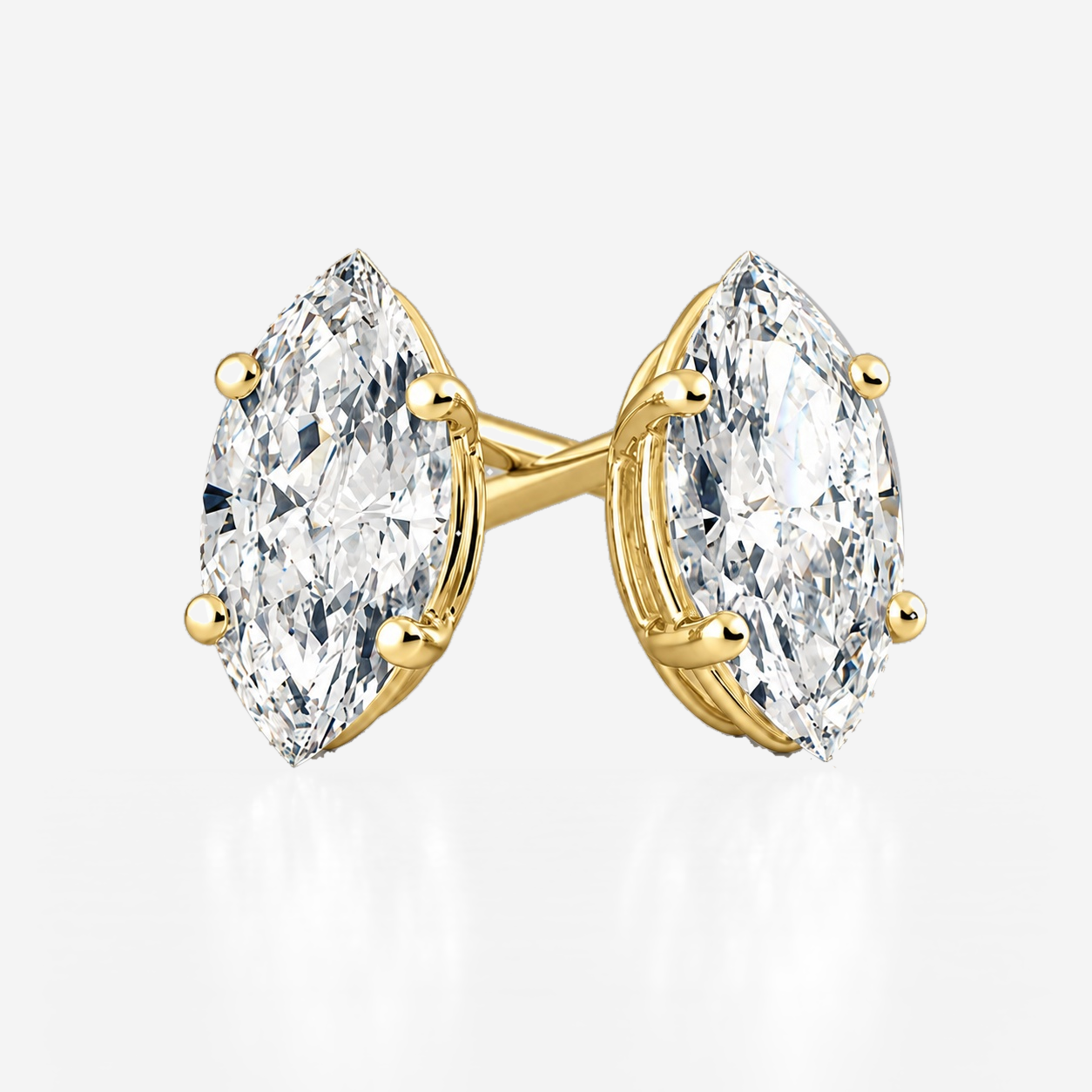
Earring backs keep a stud in place, but their design also affects support and ease of use. A fastening should suit the post, the earring and the person putting it on.
No mechanism removes the need to check that it is correctly secured and in good condition. Choose a fitting you understand and can operate comfortably.
How common earring backs work
Butterfly or friction backs grip a compatible post through spring tension. Screw backs use a threaded post and back. Locking designs use a specific release and retention mechanism, which varies by manufacturer.
These are different systems, not interchangeable parts. A back that appears to fit over a post may still be unsuitable.
GIA's bench explanation shows why friction-back tension and post engagement matter. Adjustment should be handled professionally rather than improvised at home.
Check compatibility first
Ask which backs are included with the selected earrings. Confirm whether a proposed replacement or upgrade fits the exact posts.
Do not force a threaded back onto an incompatible post or use an oversized friction back simply because it slides on. The fastening needs the intended dimensions and mechanism to work correctly.
If one back is lost, bring the remaining earring or clear product details to the jeweller when arranging a replacement.
Consider support as well as retention
A back helps determine how a stud sits against the ear. Larger or more projecting earrings may need a different support arrangement from small, low-profile studs.
However, bigger is not automatically better. The complete fit should feel comfortable without pressing excessively. Assess the earring from the side as well as the front.
If a stud tilts, ask whether the setting depth, post position and back are working together appropriately.
Choose a mechanism you can handle
A screw fitting can take longer to put on and remove. A locking fitting may require a specific finger movement. A butterfly can be straightforward, but must engage firmly with a suitable post.
Practise the intended method carefully over a secure surface. Ask for a demonstration if the fastening is unfamiliar. Ease of handling matters because a theoretically secure mechanism is less useful if it is regularly left only partly engaged.
Recognise when inspection is needed
Stop wearing the earring if the back feels loose, the mechanism stops working normally or the post appears bent. Do not compensate by squeezing parts with household tools.
Clean according to the jewellery's materials and construction, keeping residue away from working parts where appropriate. Ask the jeweller for specific maintenance advice.
Explore Jewel's earrings and confirm the included fittings for the exact pair.
Common questions
Are screw backs always the best choice?
They can suit some wearers, but comfort, compatibility and ease of use matter. There is no universal best mechanism.
Can I swap backs between earrings?
Only after confirming compatibility. Similar-looking posts can differ.
Can a secure back guarantee against loss?
No fitting offers a blanket guarantee. Well-matched earring backs, correct use and inspection work together to reduce avoidable problems.